Before You Connect a Generator to Any Building's Electrical System... A Transfer Switch Is Required by Code.
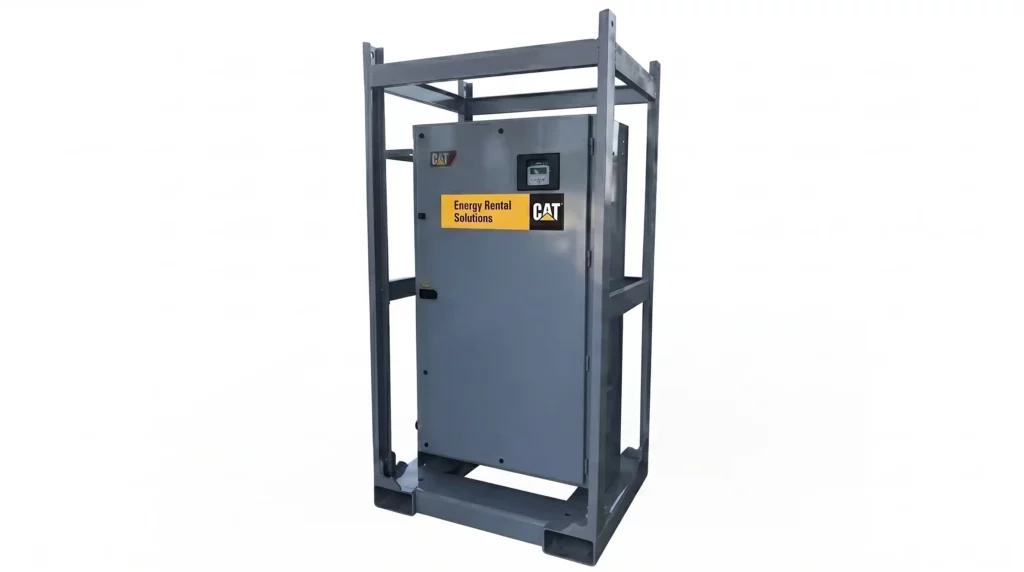
A transfer switch is an electrical device that transfers a load between two power sources, typically utility power and a generator, while preventing both from being connected simultaneously. NEC Articles 700 and 701 require an approved transfer device for any generator to facility connection.
Without a transfer switch, connecting a generator to a building creates a backfeed condition that can electrocute utility workers and destroy equipment the moment utility power is restored.
What Does a Transfer Switch Protect Against?
Automatic Transfer Switch
10–30 Sec
Detects a utility outage automatically and starts the generator. Transfers the load once the generator reaches rated voltage and frequency with no personnel required on-site.
Manual Transfer Switch
Operator-Initiated
A qualified operator starts the generator, waits for it to stabilize, then manually throws the switch. Lower cost and appropriate when trained staff are present throughout the event.
Code Requirement
NEC 700/701
Required by the National Electrical Code for every generator-to-building connection. No jurisdiction grants exceptions. Applies to construction sites, facilities, and emergency setups.
NFPA 99 and NFPA 110 additionally require automatic transfer switches for hospitals, data centers, water utilities, and critical facilities where automatic power restoration is mandated by code.
The Cost of Connecting Without a Transfer Switch
What Happens When a Generator Is Connected to a Building Without One
When a generator connects to a building’s electrical system without a transfer switch, utility power and generator power can exist on the same conductors simultaneously. This is not a theoretical risk. It is a predictable outcome that occurs the moment utility power is restored while the generator is still running. At that point, the two sources collide, energizing lines that utility workers and on-site personnel believe are safely de-energized. The result is an electrocution hazard with no warning, no indicator, and no opportunity to intervene.
| Issue | Potential Cost |
|---|---|
| NEC Willful Violation | Up to $156,259 |
| Generator Destroyed | $50K–$500K+ |
| Lineworker Fatality | Catastrophic |
Beyond the immediate safety risk, the electrical consequences are equally severe. When two unsynchronized power sources meet on the same conductors, the voltage and phase conflict causes immediate and catastrophic damage to the generator, the transfer equipment, and every connected load downstream. Motors, drives, control systems, and sensitive equipment do not survive a backfeed event. The cost of replacing damaged equipment on a facility that was trying to save money by skipping a transfer switch routinely exceeds the cost of the generator rental itself.
The regulatory exposure compounds the financial damage further. A willful NEC 700 or 701 violation carries fines up to $156,259 per citation, and that is calculated before any incident liability, workers compensation claims, or third-party utility worker injury settlements are factored in. Facilities and contractors who connect generators without approved transfer devices carry full liability for every downstream consequence.
Automatic vs. Manual Transfer Switch
Not Sure Which Type You Need?
Both types prevent backfeed. The choice depends on whether your facility requires automatic power restoration or has trained personnel on-site to initiate the transfer manually.
Automatic Transfer Switch (ATS)
10–30 Second Transfer
Detects outage, starts generator, transfers load — automatically. No personnel required. Transfers back when utility power is restored.
Required for Critical Facilities
NFPA 99 and NFPA 110 mandate automatic transfer for hospitals, data centers, water utilities, and emergency services. Not optional for these facility types.
Best For
Any facility that cannot tolerate a gap in power, or where automatic restoration is required by code for your system classification.
Manual Transfer Switch (MTS)
Operator-Initiated
A qualified operator starts the generator, waits for it to stabilize at rated voltage, then manually completes the transfer. Prevents backfeed safely.
Lower Cost
Simpler design and lower rental cost than an ATS. Fully appropriate when trained staff are present throughout the event and a brief transfer delay is acceptable.
Best For
Planned maintenance outages, construction generator tie-ins, and hurricane contingency setups where trained personnel will be on-site throughout.
Rent A Transfer Switch With a Generator
Pair a transfer switch rental with one of our 20kW–2000kW diesel generators for a complete, code-compliant temporary power solution. We help spec the right switch capacity to match your generator and facility requirements.
20kW
Smallest in fleet
2,000kW
Largest in fleet
Same-day
Dispatch available