Emergency & Temporary Power Rentals — Get Ready For Hurricane Season

Industrial Power Generator Rentals in West Columbia, Texas

Dependable, high-capacity generator rentals for construction sites, special events, and emergency power needs—serving West Columbia and neighboring Texas communities. Our fleet includes a large selection of towable or large, containerized diesel generators that will match your specific power needs. Enjoy 24/7 expert support and fast delivery to keep your operations running smoothly without downtime.

Looking For A 20–2000kW Diesel Generator for Rent in West Columbia, Texas?
Whether you are planning for an outage or have an emergency situation, we’re ready 24/7 to ship a generator that will meet your power requirements.

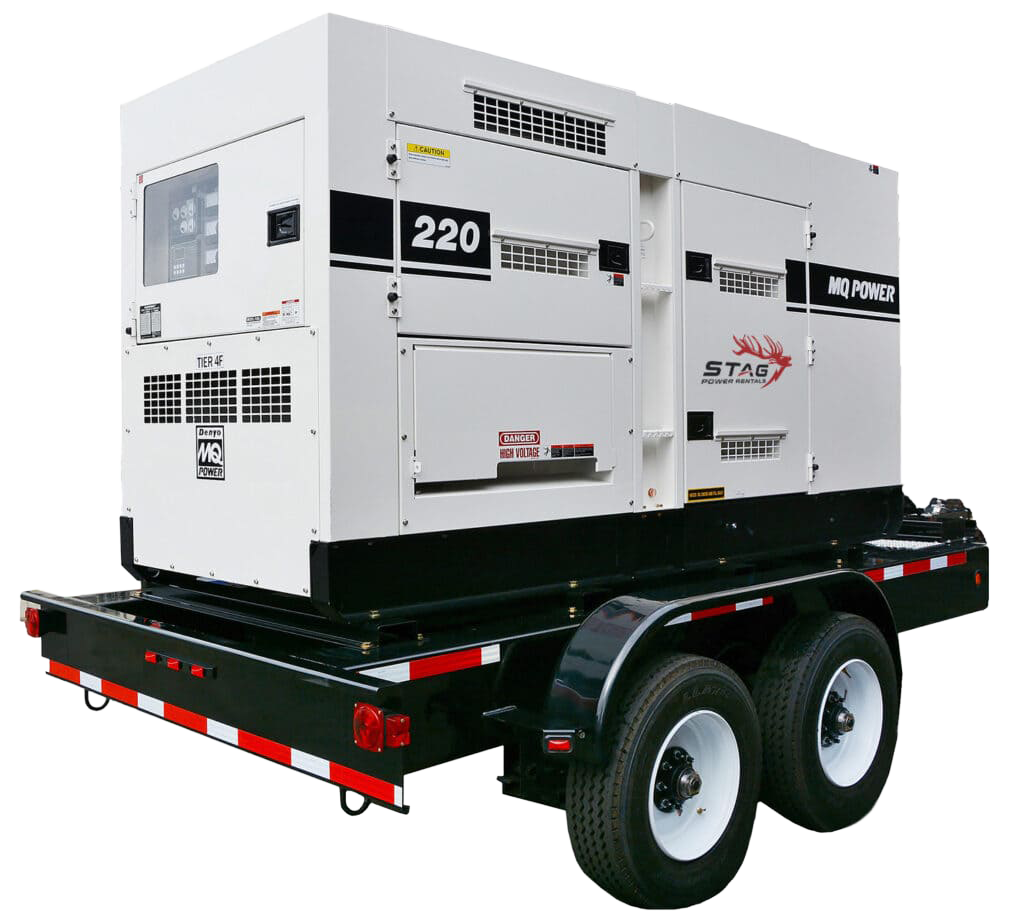
20-80kw

90-250kw

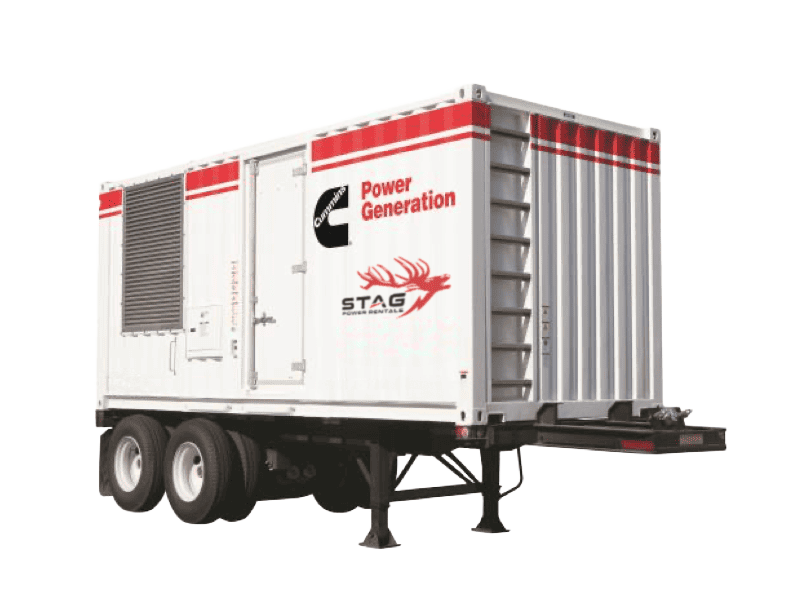
300-800kw

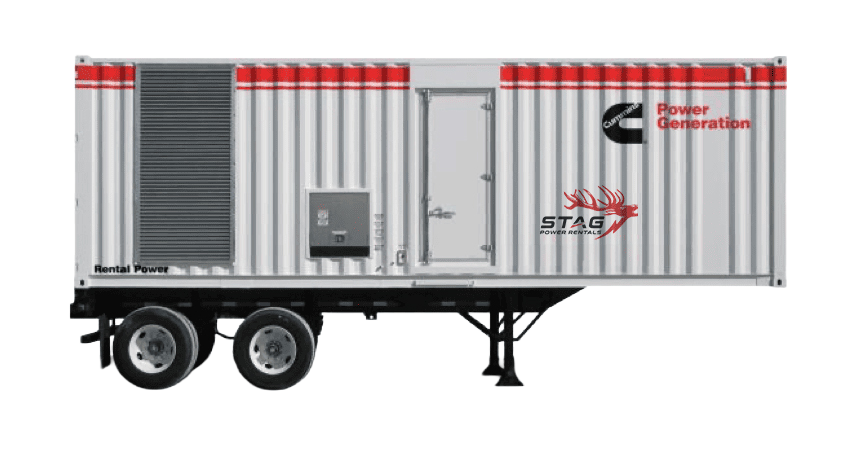
1000-1500kw

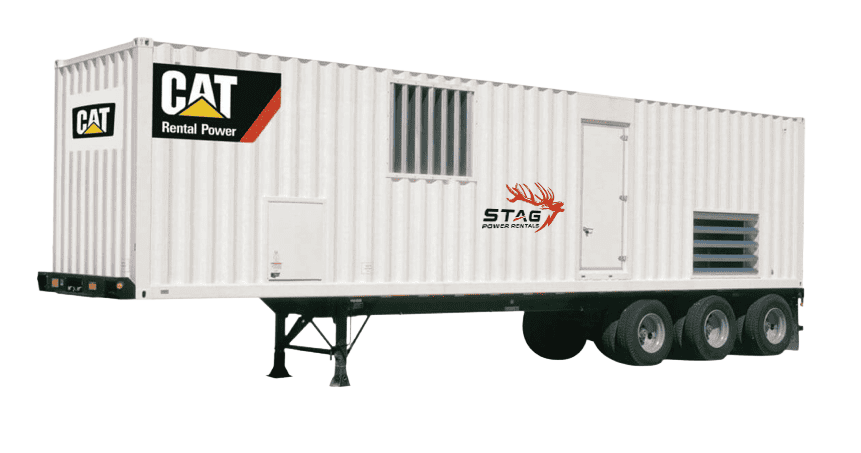
1750-2000kw

Get A Quote Now!

20kW - 2000kW Generators For Rent

Popular Industrial Generator Brands We Have For Rent

multiquip generators for rent
caterpillar generators for rent
airman generators for rent
kohler generators for rent
olympian generators for rent
baldor generators for rent
cummins generators for rent
taylor generators for rent
West Colubmia

Industrial Backup Power Generator Rental & Delivery

Reliable Industrial Generator Rentals in West Columbia, TX – Stay Powered When It Matters Most

Whether you’re gearing up for hurricane season, overseeing a construction project, or ensuring your business stays operational during unexpected power outages, renting an industrial generator in West Columbia is a wise and cost-effective choice. At Stag Rentals, we offer reliable generator rentals customized to meet power needs of all sizes.

Our industrial generators are built to perform reliably in the harshest conditions, so you can count on uninterrupted power when it matters most. With flexible rental options, prompt delivery, and expert support from our team, Stag Rentals helps minimize downtime and keep your West Columbia operations running seamlessly, no matter the challenge.

 20kW-2000kW • Portable • Trailer • Skid • Diesel Generators

Wide Selection of Commercial Generators For Rent

Industrial Generator Rentals for West Columbia Businesses and Job Sites

West Columbia is a Brazoria County community where local businesses, contractors, schools, public facilities, utility operations, agricultural properties, and nearby industrial-support companies may require temporary electricity. A generator rental can support planned maintenance, construction, electrical upgrades, pump operations, utility interruptions, severe-weather preparation, and post-storm recovery. Stag Power Rentals dispatches industrial diesel generators to West Columbia from Dickinson, Texas, coordinating equipment according to the connected load, voltage, phase, operating schedule, placement conditions, delivery access, and fuel requirements. West Columbia uses ZIP code 77486. Customers should provide the exact property entrance and site contact, particularly for rural properties, construction sites, public facilities, and locations reached by narrow or unpaved roads.

Temporary Power Applications in West Columbia

West Columbia’s generator needs differ from those of the large coastal plants and port terminals farther south. Local applications are more likely to involve construction, public infrastructure, commercial properties, rural operations, schools, community facilities, and contractors supporting the wider Brazoria County economy. Industrial generators may support:
  • Commercial and residential construction
  • Road, drainage, water, sewer, and utility projects
  • Agricultural properties, wells, pumps, and workshops
  • Retail stores, restaurants, offices, and service businesses
  • Schools, churches, public buildings, and community facilities
  • Warehouses, contractor yards, and industrial-support operations
  • Temporary offices, lighting, tools, pumps, and HVAC
  • Planned electrical shutdowns and equipment replacement
  • Hurricane preparation and emergency response
  • Post-flood and post-storm restoration
Renting allows the customer to obtain equipment suited to the present assignment without purchasing, storing, maintaining, and fueling a permanent generator that may not match later projects.

What Makes a Generator Rental-Grade?

Rental-grade generators are designed for repeated commercial and industrial deployment. They generally provide greater output, stronger components, longer operating capability, and more flexible electrical connections than smaller consumer generators. Depending on the available unit, features may include:
  • Weather-resistant enclosures
  • Sound-attenuated housings
  • Trailer-mounted or skid-mounted frames
  • Single-phase and three-phase output
  • Advanced control panels
  • Remote-monitoring options
  • Automatic transfer-switch compatibility
  • External fuel-tank connections
  • Temporary power-distribution connections
Generators are inspected and maintained between rentals. Before recommending equipment, Stag Power Rentals reviews the normal running demand, motor-starting load, voltage, phase, expected runtime, connection method, placement area, and fuel needs. This review helps reduce the risk of overloads, electrical incompatibility, excessive fuel consumption, and delivery complications.

Generator Power for Construction Projects

West Columbia construction projects may require temporary electricity before permanent service is installed or while an existing electrical system is disconnected. A rental generator may support:
  • Construction trailers and temporary offices
  • Tools, lifts, compressors, and welding equipment
  • Site lighting and security
  • Pumps and dewatering systems
  • Temporary heating, cooling, and drying equipment
  • Communications and network systems
  • Building-system testing
  • Commissioning before utility activation
Electrical demand may increase substantially as a project progresses. A generator selected for early site work may not support pumps, HVAC systems, elevators, or other motor-driven equipment added during later phases.

Temporary Power for Rural and Agricultural Properties

West Columbia serves a surrounding area with acreage, agricultural operations, equipment yards, barns, workshops, and properties that may be located beyond convenient permanent electrical connections. A properly sized generator may support:
  • Water wells and irrigation pumps
  • Livestock watering systems
  • Barn fans and ventilation
  • Refrigeration and freezers
  • Workshop tools and repair equipment
  • Temporary lighting and security
  • Electric gates and property controls
  • Remote construction or maintenance work
Pumps and motors should not be sized from horsepower alone. Running amperage, startup demand, voltage, phase, control equipment, and the number of motors operating together can all affect generator capacity.

Generator Rentals for Commercial Properties

Retail stores, restaurants, offices, healthcare practices, hotels, and local service businesses depend on electricity for sales equipment, refrigeration, communications, lighting, security, and occupant comfort. Temporary generation may support selected systems such as:
  • Refrigerators and freezers
  • Point-of-sale equipment
  • Interior and exterior lighting
  • Security cameras and electronic access
  • Internet and telephone systems
  • Selected kitchen or food-service equipment
  • Ventilation and limited HVAC
  • Temporary administrative operations
The customer should determine whether full-building operation is necessary or whether temporary power is needed only for essential systems. Prioritizing refrigeration, communications, security, and limited lighting may reduce capacity and fuel use.

Temporary Power for Public Buildings and Community Facilities

Public buildings, churches, schools, community centers, and emergency-support locations may need temporary electricity during construction, maintenance, utility interruptions, or severe-weather response. A rental generator may support approved loads such as:
  • Lighting and communications
  • Computers and network equipment
  • Security and access-control systems
  • Kitchen and refrigeration equipment
  • Temporary offices or service areas
  • Selected HVAC and ventilation systems
  • Community distribution or response operations
Generator placement should preserve fire lanes, school traffic, public entrances, pedestrian routes, and access for emergency vehicles.

Power for Water and Wastewater Infrastructure

West Columbia’s public infrastructure includes water, sewer, lift-station, street, and stormwater systems. Temporary generators may be required during construction, planned maintenance, equipment failure, bypass operations, or severe weather. Potential applications include:
  • Water wells and booster pumps
  • Wastewater and lift-station equipment
  • Temporary bypass pumping
  • Control panels and communications
  • Construction lighting and tools
  • Testing and commissioning
  • Emergency public-works operations
Pump applications require careful generator sizing because startup demand may be substantially greater than the normal running load. Horsepower, voltage, phase, amperage, starting method, controls, and operating sequence should be reviewed before selecting equipment.

Generator Support for Drainage and Dewatering

Heavy rainfall can affect construction sites, rural land, roads, drainage systems, and low portions of commercial properties. Temporary generators may support portable pumps or dewatering systems during planned projects and storm recovery. Applications may include:
  • Portable drainage pumps
  • Construction-site dewatering
  • Temporary bypass systems
  • Water-transfer equipment
  • Lighting and contractor operations
  • Emergency-response staging
The generator should be positioned outside active drainage routes and on ground capable of supporting the unit and any external fuel tank after prolonged rainfall.

Generator Rentals for Industrial-Support Operations

West Columbia contractors and service companies may support manufacturing, energy, pipeline, chemical, transportation, and construction activity throughout Brazoria County. Temporary generators may power:
  • Contractor trailers and staging areas
  • Maintenance tools and equipment
  • Pumps and compressors
  • Temporary ventilation
  • Work-area lighting
  • Communications and security systems
  • Testing and commissioning equipment
  • Selected workshop or warehouse loads
Work performed inside a controlled industrial property may involve credentials, safety orientations, approved truck routes, escorts, and designated equipment-placement areas. Those requirements should be confirmed before dispatch.

How Generator Capacity Is Determined

Stag Power Rentals offers industrial diesel generators ranging from approximately 20kW to 2,000kW. The correct generator should be selected from the equipment being powered rather than assigned only according to property or industry type. Sizing factors include:
  • Running Load: The combined electrical demand while connected equipment operates normally.
  • Starting Load: The temporary surge created when pumps, motors, compressors, refrigeration, or HVAC systems start.
  • Voltage: The voltage required by the equipment, facility, or temporary distribution system.
  • Phase: Whether the application requires single-phase or three-phase electricity.
  • Operating Sequence: Whether all loads start together or can be energized in stages.
  • Runtime: The expected operating hours per day and total rental duration.
  • Redundancy: Whether reserve capacity or multiple generators are required.
  • Distribution: The cables, transformers, panels, and transfer equipment required between the generator and the load.
An undersized generator may overload or fail to start motor-driven equipment. A substantially oversized unit may increase freight, rental, and fuel expense without providing a practical advantage.

Generator Configurations Available for West Columbia

The appropriate equipment arrangement depends on electrical demand, location, site access, noise requirements, operating schedule, and placement conditions. Available categories may include:
  • Industrial Diesel Generators: Durable equipment for construction, commercial, agricultural, utility, industrial-support, and emergency applications.
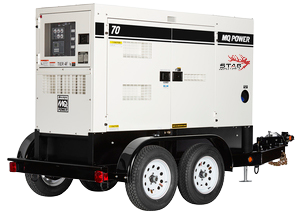
  • Towable Generators: Mobile units suited for job sites, acreage, contractor work, and projects requiring flexible placement.
  • Sound-Attenuated Generators: Enclosed equipment for schools, churches, offices, healthcare properties, hotels, and work near homes.
  • High-Capacity Generators: Larger systems for substantial commercial facilities, pumping operations, warehouses, and public infrastructure.
A complete temporary-power package may also require an external fuel tank, transformer, distribution panel, transfer switch, extended cables, cable ramps, load banks, or remote monitoring. Delivery, setup, maintenance, fuel coordination, accessories, monitoring, and technical support may be included or quoted separately depending on the equipment and rental agreement.

Planning Generator Delivery in West Columbia

A West Columbia delivery may involve a downtown commercial property, active construction site, school, utility facility, rural driveway, agricultural property, or contractor yard. Before dispatch, provide:
  • The exact property or facility entrance
  • The approved truck route
  • Gate width and overhead clearance
  • Culvert, bridge, or driveway limitations
  • Delivery-hour restrictions
  • Turning and unloading space
  • Ground stability and drainage conditions
  • Distance to the electrical connection
  • Protected temporary cable routes
  • Fuel-truck and technician access
The generator should not block public streets, fire lanes, school routes, driveways, loading areas, drainage paths, or emergency access.

Operating Generators Near Homes and Occupied Buildings

West Columbia includes established residential neighborhoods, commercial areas, schools, churches, and rural homes. Equipment placement should therefore account for sound, exhaust, lighting, pedestrian movement, and safe separation. Site planning should address:
  • Sound-attenuated equipment where appropriate
  • Safe exhaust direction
  • Distance from homes and occupied facilities
  • Protected cable routes
  • Pedestrian and vehicle access
  • Temporary barriers where necessary
  • Safe fuel delivery and storage
  • Applicable operating or property restrictions
Industrial generators should not be operated in garages, enclosed areas, or locations where exhaust could enter a home, school, office, church, or other occupied structure.

Brazos River Flooding and Road Access

West Columbia is near the Brazos River and is part of a county where heavy rainfall, river flooding, and drainage problems may affect low properties and transportation routes. Generator planning should consider:
  • Known low areas on the property
  • River, creek, and drainage exposure
  • Roads and entrances that may hold water
  • Soft ground after prolonged rainfall
  • Stable support beneath the generator and fuel tank
  • Temporary cables crossing wet areas
  • Continued access for service and refueling
  • An alternate route if the primary entrance floods
Whenever possible, the generator, external fuel tank, cables, and electrical connections should be placed on stable ground above anticipated flood levels. A generator may remain physically dry while surrounding roads become impassable. Equipment placement should therefore account for both elevation and the route needed for fuel, maintenance, and eventual removal.

Hurricane and Severe-Weather Generator Planning

emergency industrial generator rental in West Columbia Texas Generator inventory, transportation, fuel service, and technician availability may become limited when a hurricane threatens Brazoria County. Early planning provides more time to review capacity, access, placement, connections, and fuel requirements.
A severe-weather power plan should identify:
  • The equipment and systems that must remain operational
  • Required generator capacity
  • Voltage and phase
  • The proposed placement location
  • Flood and drainage exposure
  • Transfer and temporary-distribution requirements
  • Expected fuel consumption
  • Refueling procedures
  • Authorized facility or property contacts
  • Evacuation, shutdown, and re-entry procedures
Priority loads may include pumps, refrigeration, communications, security, lighting, utility controls, community facilities, and selected HVAC equipment. Businesses can arrange temporary-power equipment before regional demand rises through the Hurricane Contingency Plan.

Temporary Power After a Hurricane or Flood

After a hurricane, flood, tornado, winter-weather event, or severe thunderstorm, temporary electricity may be needed while contractors inspect and repair buildings and permanent electrical systems. Generator rentals may support:
  • Water-removal and drying equipment
  • Construction and repair tools
  • Temporary offices
  • Lighting and security
  • Refrigeration and inventory protection
  • Communications equipment
  • Selected commercial, utility, or community operations
Post-storm delivery depends on safe roads, generator availability, site readiness, fuel access, electrical conditions, and regional demand. Equipment cannot be delivered through floodwater or into an area that has not been determined safe.

Fuel Planning for Extended Operation

A generator’s onboard tank may be sufficient for a short project. Continuous pumping, refrigeration, construction, utility work, or emergency backup may require an external fuel tank and scheduled deliveries. Fuel planning should consider:
  • Generator capacity
  • Average electrical load
  • Daily operating hours
  • Onboard fuel capacity
  • External tank requirements
  • Expected refueling intervals
  • Property or facility access
  • Weekend and overnight operation
  • Possible flooding or road restrictions
The generator and fuel equipment should be positioned where refueling can occur without blocking public roads, agricultural operations, school traffic, construction activity, drainage routes, or emergency vehicles.

What Determines Generator Rental Cost in West Columbia?

Rental pricing depends on the complete temporary-power arrangement rather than generator output alone. Cost factors may include:
  • Generator capacity
  • Rental duration
  • Delivery and pickup
  • Rural, commercial, utility, or construction-site access
  • Fuel consumption and refueling
  • External fuel tanks
  • Cables, transformers, panels, and transfer equipment
  • Setup complexity
  • Monitoring and maintenance
  • Emergency or after-hours deployment
A planned rental at an accessible construction site generally involves fewer variables than an emergency delivery to a rural property, utility facility, commercial building, or flood-affected location requiring extended operation. For an accurate quote, provide the West Columbia address, requested dates, connected-equipment list, running load, motor-starting demand, voltage, phase, expected runtime, connection requirements, and delivery instructions.

Renting Versus Purchasing a Generator

Permanent ownership may make sense for a property with a predictable long-term backup requirement. Renting is often more practical for construction, agricultural work, public infrastructure, facility maintenance, planned shutdowns, and storm recovery. Rental advantages include:
  • Equipment selected for the current assignment
  • Lower initial capital expense
  • No permanent storage requirement
  • No long-term maintenance obligation
  • Flexible rental periods
  • Access to different generator capacities
  • Delivery and support options
A rural property may require a generator for pumps and refrigeration, while a contractor may need a larger unit for tools, temporary HVAC, and construction lighting. Renting allows the equipment to change with each assignment.

Generator Delivery from Dickinson to West Columbia

Stag Power Rentals dispatches West Columbia generators from Dickinson, Texas. Depending on equipment availability and project requirements, service may also be coordinated for nearby communities such as Brazoria, Sweeny, Wild Peach Village, Columbia Lakes, Angleton, Lake Jackson, and other western Brazoria County locations. Delivery timing depends on:
  • Available generator inventory
  • Equipment size and transportation requirements
  • Highway 35, Highway 36, and local traffic
  • Rural, school, commercial, or construction access
  • Weather, river conditions, and flooding
  • Road or emergency closures
  • Site readiness
  • Regional emergency demand
Complete entrance instructions, delivery hours, a reachable site contact, and confirmation of the placement area should be provided before dispatch.

Frequently Asked Questions About West Columbia Generator Rentals

Can a generator be delivered to a farm or rural property?

Delivery may be possible when the road, driveway, gate, culvert, turning area, and placement location can safely support the transport vehicle and rental equipment.

Can a generator power a water well or agricultural pump?

Yes. The unit must be sized for the motor’s running demand, startup load, voltage, phase, controls, and operating schedule.

Can generators be used at construction sites?

Yes. Temporary generators may support job trailers, tools, pumps, lighting, security, temporary HVAC, and building-system testing.

Can a generator support a school or community facility?

A properly planned rental may support approved lighting, communications, refrigeration, security, temporary office, and selected HVAC loads.

Are sound-attenuated generators available near homes?

Sound-attenuated equipment may be available for work near residences, schools, churches, healthcare properties, offices, and other occupied facilities.

How should a generator be positioned near a flood-prone road?

The generator, fuel tank, cables, and electrical connections should be placed on stable ground above anticipated flooding whenever possible. The delivery and refueling route should also remain accessible.

Can an industrial diesel generator operate for several days?

Many units can support extended operation when electrical demand, fuel supply, monitoring, ventilation, and maintenance are properly managed.

Are delivery, setup, maintenance, and fuel included?

Delivery, setup, accessories, fuel coordination, maintenance, monitoring, and technical support may be included or quoted separately depending on the rental agreement.

How early should hurricane equipment be arranged?

Arrange equipment as early as practical. Generator inventory, transportation, fuel service, and technician availability may become limited when a storm threatens Brazoria County.

Request an Industrial Generator Rental in West Columbia

Contact Stag Power Rentals with the delivery address, requested dates, voltage, phase, connected equipment, startup demand, expected runtime, temporary-distribution needs, access route, and proposed placement area. Our team can evaluate the application and coordinate available generator equipment and support.

Power Out Due To A Hurricane?

If a hurricane has left your business without power call us. We can guide you through the generator rental process and help restore power to your business with as little downtime as possible. 

If you want to get ahead of power outage, then signup for our Hurricane Contingency Plan >

Before You Call...

Info Needed To Get Your Generator Rental Quote

  1. Use of Generator
  2. Size of Generator You Need
  3. Duration of Rental
  4. Operation Time (8hrs/day, 16hrs/day, 24/7)
  5. Do You Need Cables or Power Distribution?
  6. Site access details, including gates, delivery space, or placement limitations