Texas is heading into a summer where the grid itself is the risk factor, not just the weather. ERCOT has projected that peak demand could surpass 92 gigawatts this year, which would break the current record set during the August 2023 heat wave. For facilities that treat backup power as a hurricane-season checkbox, that’s a planning gap worth closing before the temperature climbs.
Grid strain from heat doesn’t behave like a hurricane. There’s no storm track, no 72-hour warning window, no clear start and end. It builds quietly across a stretch of 100-degree afternoons until the system is running close to its ceiling, and then a single hot, still evening can push it past that point. Facilities that already have emergency generator rental lined up aren’t the ones scrambling when that happens.
Why Heat Puts More Pressure on the Grid Than Most Facilities Expect
Electricity demand climbs with temperature because cooling load scales directly with heat. Every air conditioner, chiller, and refrigeration unit in the region pulls harder at the same time, and that collective draw is what pushes ERCOT toward record territory.
Add in the load growth from data centers and large industrial users coming online across Texas, and the margin between available capacity and peak demand gets tighter every summer. ERCOT’s own reporting shows a real, if still low, probability of grid emergency conditions during the hottest weeks of the season. That’s a different risk profile than the one most facilities planned around during hurricane season power planning, and it deserves its own conversation.
That combination, rising baseline demand plus a genuine chance of tight conditions, is exactly the kind of risk that doesn’t show up on an insurance policy or a maintenance schedule. It shows up as an unplanned outage on the one afternoon a facility can least afford it.
Who Actually Feels It When the Grid Gets Tight
Heat-driven grid strain doesn’t hit every operation the same way. Some facilities have a much smaller margin for error than others:
- Data centers and server rooms, where even a brief interruption risks data integrity and service-level commitments
- Cold storage and refrigerated warehousing, where a few hours without power can spoil inventory
- Hospitals and healthcare facilities, where life-safety systems can’t tolerate a gap in power
- Manufacturing lines running continuous processes that are expensive or unsafe to restart cold
- Municipal and water infrastructure that the surrounding community depends on directly
What these operations share is a low tolerance for surprise. A rolling outage that’s a minor inconvenience for a retail storefront can be a six-figure problem for a facility running mission-critical data center power or a compliance issue for a hospital.
Reactive Planning Costs More Than Proactive Planning
The facilities that get caught off guard almost always share the same pattern: they treated backup power as a hurricane-only conversation. Once June and July roll around without a storm on the horizon, generator planning quietly drops off the list.
The problem is that grid conservation appeals and tight-capacity days don’t wait for hurricane season. They show up on ordinary Tuesday afternoons when demand outpaces what the grid can comfortably deliver. Waiting until a conservation alert is already in the news to start calling around for rental equipment puts a facility behind operations that lined up power ahead of time.
A better approach treats summer grid risk the same way experienced operators treat hurricane risk: identify the exposure early, confirm what size unit the site actually needs, and have a rental plan in place before the first heat advisory hits.
What a Summer-Ready Power Plan Actually Looks Like
Getting ahead of heat-driven grid strain doesn’t require an elaborate process. It comes down to a few decisions made before demand peaks instead of during it. Running the numbers through a generator sizing calculation before the season starts turns guesswork into a confirmed number:
- Confirm actual load requirements so the rental unit is sized correctly instead of guessed at under pressure
- Identify which systems absolutely cannot lose power and which can tolerate a short gap
- Line up equipment availability before the hottest weeks of the season, not after a conservation appeal goes out
- Have a transfer plan in place so switching to backup power doesn’t require improvising on-site
Facilities that work through these questions in May or early June are making a calm decision. Facilities that wait until a heat advisory hits are making a rushed one, often with less equipment selection and less flexibility on timing.
How Stag Power Rentals Supports Summer Power Planning
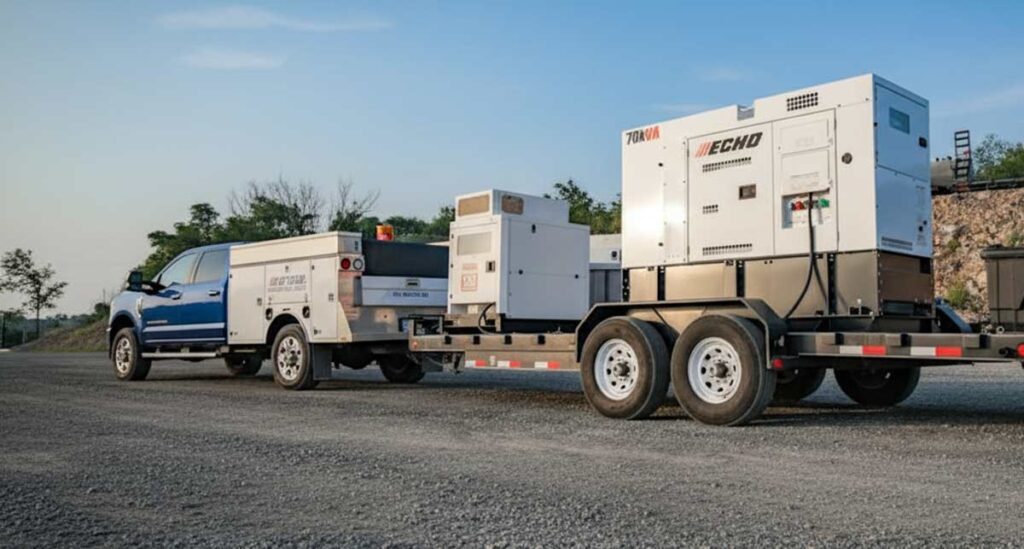
A tightening grid doesn’t have to mean a tightening set of options for your facility. Stag Power Rentals works with Houston and Gulf Coast operations to size and deploy diesel generator rentals before peak summer demand puts pressure on the systems that can least afford to go dark. Whether that means a single unit for a cold storage facility or a larger deployment for a manufacturing site, the planning conversation is the same one worth having before the hottest weeks of the season arrive, not during them. If your facility hasn’t looked at summer power risk yet this year, request a quote and we’ll help you work out what coverage actually makes sense.
