
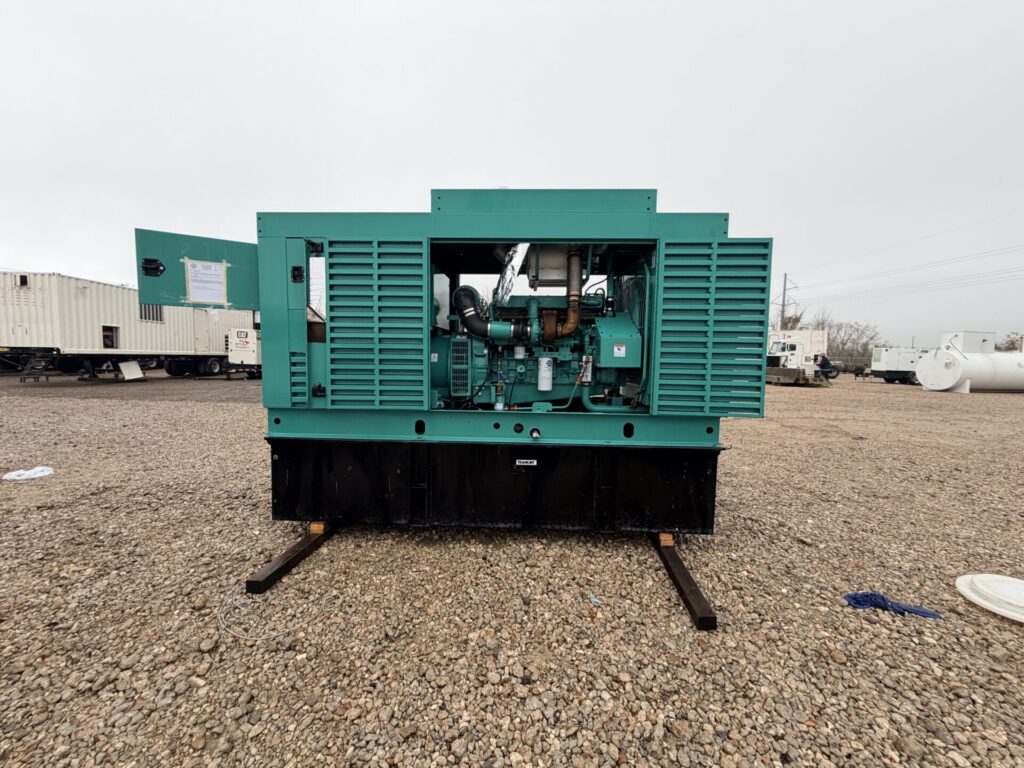
Diesel generators play a vital role in maintaining operations across commercial buildings, healthcare facilities, manufacturing plants, and critical infrastructure. The ability to calculate and control fuel consumption determines both cost efficiency and environmental impact. A detailed diesel consumption chart helps organizations plan energy usage, align fuel deliveries, and maintain compliance with emissions standards. When combined with accurate monitoring tools, these insights turn generator operations into measurable performance strategies rather than reactive maintenance tasks.
Understanding Diesel Consumption in Commercial Power Systems
Every diesel generator converts chemical energy in fuel into electrical energy through combustion. The rate at which fuel is burned depends on several variables, including engine size, generator capacity, load percentage, and ambient conditions. Operating at low load levels for prolonged periods typically leads to inefficient combustion and carbon buildup, while running close to rated capacity maximizes energy conversion. According to the U.S. Environmental Protection Agency (EPA), maintaining proper generator load significantly reduces emissions and improves operational efficiency across industrial and commercial power systems.
The following table provides average diesel usage rates at different loads for standard commercial generator sizes. These values serve as a benchmark for evaluating system efficiency and planning operational fuel budgets.
| Generator Capacity (kW) | 25% Load (GPH) | 50% Load (GPH) | 75% Load (GPH) | 100% Load (GPH) |
| 100 | 2.3 | 4.1 | 5.8 | 7.2 |
| 250 | 5.5 | 9.8 | 13.9 | 17.5 |
| 500 | 10.8 | 18.9 | 27.2 | 35.5 |
| 1000 | 21.6 | 38.0 | 54.5 | 70.0 |
These averages illustrate the direct relationship between load percentage and efficiency. The closer the generator runs to full capacity, the lower the gallons per kilowatt-hour produced. Engineering teams often cross-reference these numbers with data found in the industrial generator fuel consumption chart to benchmark specific units and identify areas for improvement.
Why Monitoring Fuel Efficiency Matters
Diesel consumption directly affects operational expenses and environmental sustainability goals. Even small inefficiencies, such as running generators under load or skipping maintenance cycles, can increase annual fuel costs substantially. For organizations operating in energy-intensive sectors like cold storage, telecommunications, or construction, managing these variables can lead to measurable savings.
According to the U.S. Department of Energy (DOE), consistent monitoring of power systems helps identify fuel inefficiencies, improve load balancing, and maintain compliance with evolving energy conservation regulations. Digital telemetry and remote monitoring tools can further assist by tracking consumption patterns in real time, allowing facilities to optimize generator runtimes and detect anomalies before they affect performance.
Key Factors That Influence Diesel Usage
Several environmental and operational conditions determine how efficiently a generator consumes fuel:
- Load Ratio: Generators operate best between 70% and 90% of their rated capacity. Light loads cause incomplete combustion, while overloading stresses components and increases wear.
- Maintenance Practices: Dirty filters, worn injectors, and poor air intake reduce combustion quality and raise fuel demand.
- Ambient Temperature: Extreme heat or cold alters fuel viscosity and combustion dynamics, requiring adjustments to maintain efficiency.
- Fuel Quality: Contaminated diesel can lead to injector fouling and carbon buildup. Following best practices from the National Renewable Energy Laboratory (NREL) ensures clean and stable fuel performance.
- Altitude and Air Density: Higher elevations reduce available oxygen, which can impact engine output and fuel efficiency.
Each of these elements highlights the importance of scheduled inspections and regular calibration. Preventive maintenance not only preserves generator efficiency but also extends service life and ensures reliability during peak demand periods.
Applying Diesel Consumption Data to Business Operations
Diesel usage data becomes most valuable when applied to financial and operational planning. Facilities can estimate their daily, weekly, or seasonal fuel requirements based on average load conditions and runtime schedules. For example, a 500 kW generator running at 75% load for eight hours consumes roughly 217 gallons of fuel per day. Over a month, that equals more than 6,500 gallons, providing a clear basis for budget forecasting and logistical planning.
Commercial and municipal facilities often pair consumption charts with tools such as the industrial amperage chart to align power distribution and load management. Accurate load balancing minimizes idle time, reduces unnecessary fuel use, and keeps emissions within acceptable limits.
Enhancing Efficiency with Modern Generator Systems
Modern diesel generator systems now feature integrated control panels and load management technology that automatically adjusts output based on demand. These systems help prevent light-loading, synchronize multiple units, and maintain stable power delivery during fluctuating consumption periods. Implementing intelligent controllers also simplifies compliance with environmental standards enforced by agencies such as the Occupational Safety and Health Administration (OSHA) and the EPA.
Fuel-efficient generators are especially critical in regions with variable weather conditions, such as Texas and the Gulf Coast, where power reliability directly affects safety and productivity. During severe weather or hurricane season, pre-calculating fuel consumption supports effective emergency power planning and ensures sufficient onsite storage capacity.
Organizations across Texas face unique power challenges that make fuel consumption planning particularly critical. From refineries along the Houston Ship Channel to manufacturing facilities in Dallas-Fort Worth, businesses rely on generator rental Texas solutions to maintain operations during extreme weather events and grid instability. When selecting generator rental Texas providers, facility managers should prioritize companies that offer transparent fuel consumption data and load-tested equipment. Understanding the diesel usage rates outlined in consumption charts becomes even more valuable when planning for extended outages during hurricane season or summer peak demand periods. Working with experienced generator rental Texas specialists who can match generator capacity to actual load requirements ensures optimal fuel efficiency and reduces unnecessary operational costs during critical power events.
Best Practices for Managing Diesel Generator Fuel Efficiency
Effective fuel management involves both technical strategies and disciplined operational habits. Key practices include:
- Conducting load bank tests to verify generator performance under simulated full-load conditions
- Regularly draining and replacing stored diesel fuel to prevent microbial growth and moisture contamination
- Installing telemetry systems to monitor consumption trends and maintenance intervals
- Training operators on efficient startup and shutdown procedures
- Scheduling preventive maintenance aligned with manufacturer recommendations
These methods not only reduce operating costs but also promote a culture of efficiency and environmental responsibility within industrial operations. Many companies also reference resources such as the EPA’s Clean Energy Programs to align internal sustainability goals with federal efficiency initiatives.
Planning Fuel Budgets Based on Generator Runtime
For commercial facilities with long runtime requirements, such as data centers, hospitals, and water treatment plants, understanding hourly diesel usage is essential for risk mitigation. Knowing how much fuel each generator consumes at various load levels ensures accurate forecasting, optimized storage, and uninterrupted operations during extended outages. In regions with strict fuel storage regulations, this data also supports compliance and safety during inspections.
Organizations that incorporate real-time monitoring and predictive analytics gain even more control over diesel expenditures. Software integrations can analyze historical usage data to forecast future needs, allowing companies to negotiate better bulk fuel pricing and reduce overstocking or shortages.
Optimizing Generator Performance with the Experts at Stag Power Rentals
Commercial facilities seeking reliable and fuel-efficient power systems benefit from working with a trusted provider that understands both the mechanical and operational aspects of generator performance. Stag Power Rentals delivers professionally maintained diesel generators designed for dependable operation across all commercial and industrial applications.
- Comprehensive fleet of industrial generators ranging from 20 kW to 2000 kW
- Pre-tested and load-certified equipment for critical power applications
- Technical support and consulting for fuel management planning
- Emergency power solutions and hurricane contingency programs
By combining advanced generator technology with precise diesel usage data, Stag Power Rentals helps organizations optimize performance, minimize waste, and maintain operational resilience. Contact us today to request a quote or speak with a power specialist about fuel efficiency strategies tailored to commercial energy needs.
