
"Great service from great people and great equipment. Will definitely rent from here again!"

"I had an emergency situation and needed power asap. Stag Power went above and beyond to meet my needs and expectations and in a timely and respectful manner. Will be using them in the future and recommending them as well."
"I want to say thank you to Clint and his team, very reliable and dependable equipment."
"Quick responds time and great customer service , thank you for taking care of us in a pinch!"
"Great prices and awesome service! They have all generators and cables with expert assistance on everyone's power rental needs!"









Industrial Generator Rentals for Austin Businesses, Construction Sites, and Critical Facilities
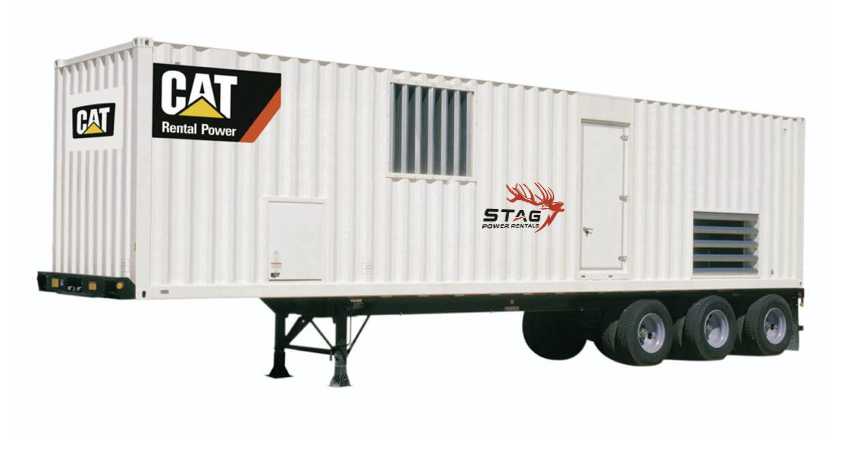
Austin is a major Central Texas business, technology, education, healthcare, construction, government, tourism, and entertainment center. Temporary power requirements may range from a generator for a commercial renovation or outdoor production to a larger system serving cooling equipment, laboratories, manufacturing support, healthcare operations, or a multi-building project. The city’s size and density also create practical challenges that are less common at rural or coastal sites. Deliveries may involve congested streets, restricted loading areas, parking garages, active campuses, event closures, construction traffic, neighborhood noise limits, and long cable routes between the generator and connected equipment. Stag Power Rentals dispatches industrial diesel generators to Austin from Dickinson, Texas 77539. Available equipment ranges from approximately 20kW to 2,000kW. Each rental is evaluated according to the running load, startup demand, voltage, phase, operating sequence, expected runtime, temporary distribution, site access, placement area, and fuel requirements. Austin uses multiple postal codes; for this page, the central Austin ZIP code 78701 is referenced. Customers should provide the exact building entrance, loading dock, construction gate, campus access point, event entrance, or equipment yard before delivery is scheduled.Austin Generator Applications by Industry
Austin’s temporary-power needs extend well beyond conventional outage backup. Generator rentals may support:- Commercial and mixed-use construction
- Technology offices, laboratories, and data-related facilities
- Healthcare buildings and medical offices
- Universities, colleges, schools, and research facilities
- Hotels, restaurants, retail stores, and office buildings
- Manufacturing, fabrication, and warehouse operations
- Concerts, festivals, sporting events, and film productions
- Water, wastewater, pumping, and public infrastructure
- Planned electrical shutdowns and equipment replacements
- Severe-weather response and extended utility interruptions
Temporary Power for Austin Construction Projects
Austin’s continuing commercial, residential, institutional, and infrastructure development creates frequent temporary-power requirements. A rental generator may support:- Job trailers and field offices
- Tools, lifts, compressors, and welding equipment
- Tower-crane support equipment
- Pumps and dewatering systems
- Site lighting and security
- Temporary heating, cooling, and ventilation
- Elevators and construction hoists where approved
- Building-system testing and commissioning
Downtown and Urban Job-Site Constraints
A downtown Austin project may have limited curb access, restricted loading hours, active sidewalks, underground utilities, parking structures, adjacent businesses, and little room for an external fuel tank. Before delivery, confirm:- The approved truck entrance
- Delivery-hour restrictions
- Lane-closure or traffic-control requirements
- Available turning and unloading space
- Generator and fuel-tank placement
- Pedestrian-safe cable routes
- Overhead and underground utility conflicts
- Fire-lane and building-access requirements
Generator Power for Technology and Data Operations
Austin contains technology companies, research organizations, laboratories, network facilities, and data-dependent commercial operations. A generator may support approved systems such as:- Network and communications equipment
- Server and equipment-room loads
- Cooling and ventilation
- Security and electronic access
- Laboratory equipment
- Office and operational systems
- Temporary testing environments
Cooling Loads and Extreme Heat
Austin’s summer heat can make cooling one of the largest loads in a temporary-power system. Commercial HVAC units, chillers, rooftop systems, pumps, air handlers, and data-room cooling may create substantial motor-starting demand. The sizing review should include:- Compressor and chiller startup demand
- Air-handler and fan motors
- Cooling-tower or condenser equipment
- Pumps and controls
- The number of systems starting together
- Whether cooling can be limited to priority areas
Temporary Power for Healthcare Properties
Hospitals, clinics, medical offices, laboratories, pharmacies, and assisted-service properties may need temporary electricity during construction, utility work, equipment replacement, or electrical-system maintenance. A rental generator may support approved loads such as:- Medical or medication refrigeration
- Lighting and communications
- Computers and network equipment
- Security and electronic access
- Selected HVAC and ventilation
- Administrative or temporary clinical areas
Universities, Colleges, and Research Campuses
Austin contains major universities, colleges, research facilities, laboratories, residence halls, athletic venues, and campus-support buildings. Temporary generators may support:- Construction and renovation projects
- Laboratory equipment
- Temporary classrooms and offices
- Residence-hall support systems
- Kitchen and refrigeration equipment
- Communications and network systems
- Lighting and security
- Campus events and athletic operations
Schools and Educational Facilities
Public, charter, and private schools may require temporary electricity during renovations, utility interruptions, kitchen work, HVAC replacement, construction, or approved emergency operations. Potential loads include:- Lighting and communications
- Computers and network equipment
- Kitchen and refrigeration systems
- Security and electronic access
- Temporary classrooms or offices
- Selected HVAC and ventilation
- Construction and maintenance equipment
Hotels, Restaurants, Retail, and Office Buildings
Austin’s hospitality and commercial sectors depend on refrigeration, communications, payment systems, security, lighting, water systems, and occupant comfort. A temporary generator may support selected loads such as:- Walk-in coolers and freezers
- Ice machines
- Point-of-sale equipment
- Internet and telephone systems
- Security cameras and access controls
- Emergency and common-area lighting
- Water and wastewater pumps
- Limited HVAC and ventilation
Manufacturing and Warehouse Operations
Austin-area manufacturing, fabrication, logistics, warehouse, and distribution properties may need temporary electricity during plant work, equipment replacement, utility shutdowns, expansions, or construction. A generator may support:- Maintenance tools and contractor equipment
- Pumps and compressors
- Temporary process support
- Warehouse lighting and security
- Loading and material-handling equipment
- Controls and communications
- Testing and commissioning
Concerts, Festivals, Sports, and Film Productions
Austin hosts music festivals, concerts, conventions, sports competitions, races, cultural events, film work, and temporary productions throughout the year. Event generators may support:- Stages, lighting, and sound systems
- Video walls and broadcast equipment
- Vendor and food-service operations
- Ticketing and communications
- Temporary offices and production trailers
- Security and public-safety areas
- Refrigeration and ice equipment
- Temporary structures and climate control
Noise and Exhaust Planning
Austin projects often operate near residences, hotels, offices, schools, hospitals, event venues, or mixed-use developments. Placement should consider:- Distance from windows and air intakes
- Safe exhaust direction
- Noise-sensitive hours
- Pedestrian and customer routes
- Neighboring properties
- Access for maintenance and refueling
How Generator Capacity Is Determined
The generator should be selected from the connected equipment rather than a broad industry estimate. Important factors include:- Running Load: The combined demand while equipment operates normally.
- Startup Demand: The temporary surge created by HVAC systems, pumps, compressors, refrigeration, elevators, and motors.
- Voltage: The voltage required by the building, equipment, or temporary distribution system.
- Phase: Whether the application requires single-phase or three-phase electricity.
- Operating Sequence: Whether loads start simultaneously or can be energized in stages.
- Runtime: The expected operating hours per day and total rental duration.
- Distribution Distance: The distance between the generator and connected equipment.
- Redundancy: Whether reserve capacity or multiple generators are required.
Generator Sizes Available for Austin Projects
Stag Power Rentals offers industrial diesel generators ranging from approximately 20kW to 2,000kW. Rather than assigning fixed generator sizes to specific industries, equipment should be selected from actual load information. Two hotels, laboratories, schools, or construction projects may have very different electrical requirements. A 1,000kW generator may be appropriate for certain large facility, cooling, infrastructure, industrial, or event loads, but the requested capacity should still be confirmed through an electrical review.Temporary Distribution and Supporting Equipment
A complete temporary-power arrangement may require:- External fuel tanks
- Manual or automatic transfer switches
- Transformers
- Temporary distribution panels
- Feeder and branch cables
- Cable ramps and protected crossings
- Load banks
- Remote-monitoring equipment
- Multiple generators for separate buildings or work areas
Planning Generator Delivery in Austin
Before dispatch, provide:- The exact address and approved entrance
- The requested delivery window
- Loading-dock or construction-gate instructions
- Street, lane, or parking restrictions
- Turning and unloading space
- Overhead and underground utility conflicts
- Ground-bearing and drainage conditions
- Distance to the electrical connection
- Fuel-truck and technician access
Extreme Heat, Thunderstorms, Flooding, and Winter Weather
Austin is inland from the Gulf Coast, but its power risks are not limited to hurricanes. Severe thunderstorms, lightning, high winds, flash flooding, extreme heat, ice, and freezing weather can affect utilities, roads, cooling systems, and facility access. Generator planning should account for:- Heat-related cooling demand
- Known low-water crossings and flood-prone access
- Icy bridges, ramps, and elevated roads
- Stable support beneath the generator and fuel tank
- Protected temporary cables
- Continued access for maintenance and refueling
- An alternate route if the primary entrance becomes inaccessible
Emergency and Contingency Power Planning
 Generator inventory, transportation, fuel service, and technician availability may become limited during widespread Central Texas weather events. Early planning allows more time to review capacity, connections, access, placement, and fuel requirements.
- The equipment and systems that must remain operational
- Required generator capacity, voltage, and phase
- Temporary-distribution and transfer requirements
- Expected fuel consumption
- Authorized facility contacts
- Flood, ice, heat, and road-access concerns
- Shutdown and restart procedures
How Long Should an Austin Generator Be Rented?
Rental duration depends on the underlying need.- Construction: Several weeks or months as work progresses.
- Planned Shutdown: A defined maintenance or electrical-work window.
- Event: Setup, rehearsal, event, and removal days.
- Equipment Replacement: Until the permanent system is repaired or commissioned.
- Emergency Outage: Until utility service and building systems are safely restored.
What Determines Generator Rental Cost in Austin?
Rental pricing depends on the complete temporary-power package rather than generator capacity alone. Variables may include:- Generator size and rental duration
- Delivery and pickup
- Downtown, campus, hospital, event, or construction access
- Fuel consumption and refueling
- External fuel tanks
- Cables, transformers, panels, and transfer equipment
- Traffic control, escorts, or restricted delivery windows
- Monitoring and maintenance
- Emergency or after-hours deployment