
Emergency & Temporary Power Rentals — For Business Operations
Industrial Generator Rental in Houston, TX
Stag Rentals provides industrial generator rental in Houston, TX for construction sites, refineries, ports, manufacturing facilities, healthcare campuses, and emergency backup operations. Our diesel rental fleet ranges from 20kW to 2000kW, with units available for planned projects, shutdown support, storm preparation, and unexpected outages.
We serve businesses across Houston, including the Energy Corridor, Port of Houston, Pasadena, Baytown, La Porte, Katy, Sugar Land, Pearland, The Woodlands, and surrounding industrial corridors. With fast delivery, professional setup, and 24/7 technical support, we help Houston operations keep power online when downtime is not an option.
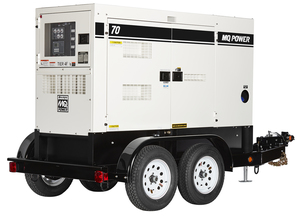
20-80kw
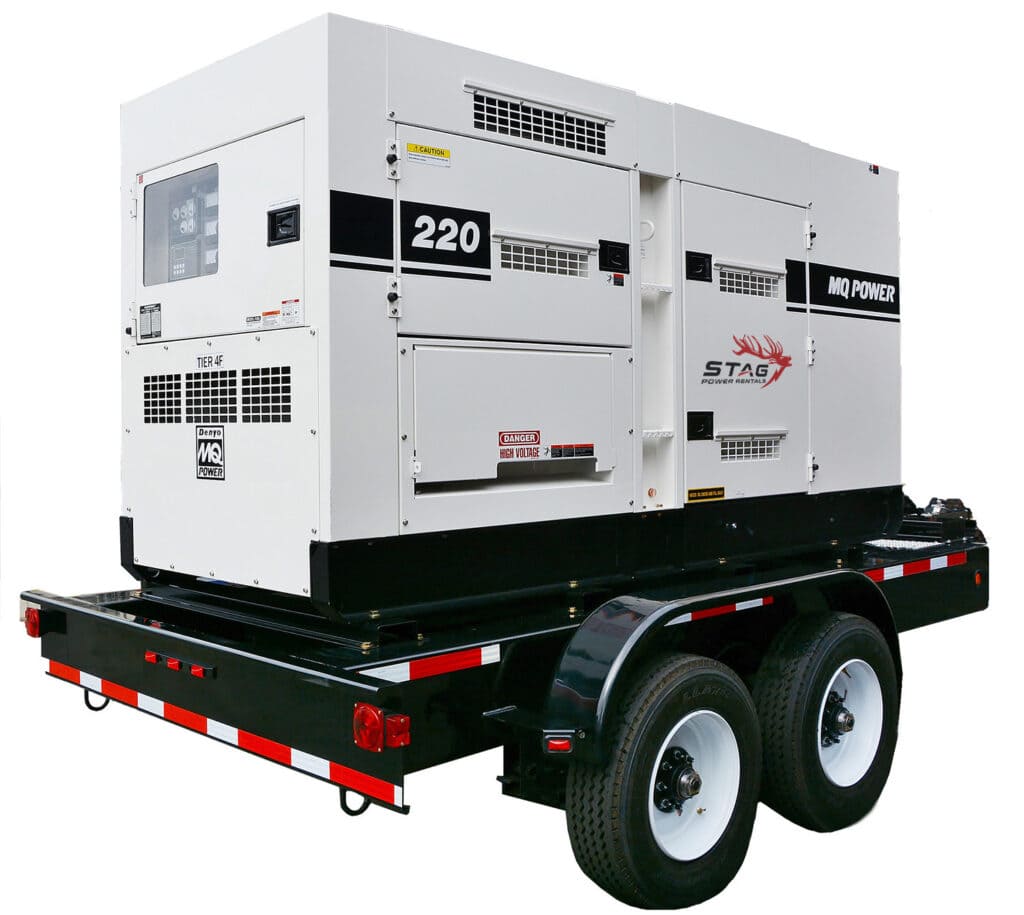
90-250kw
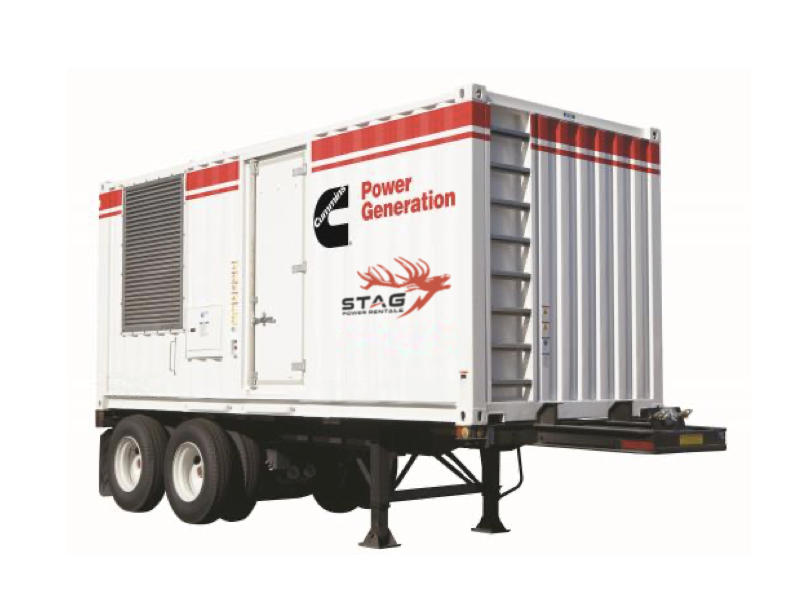
300-800kw
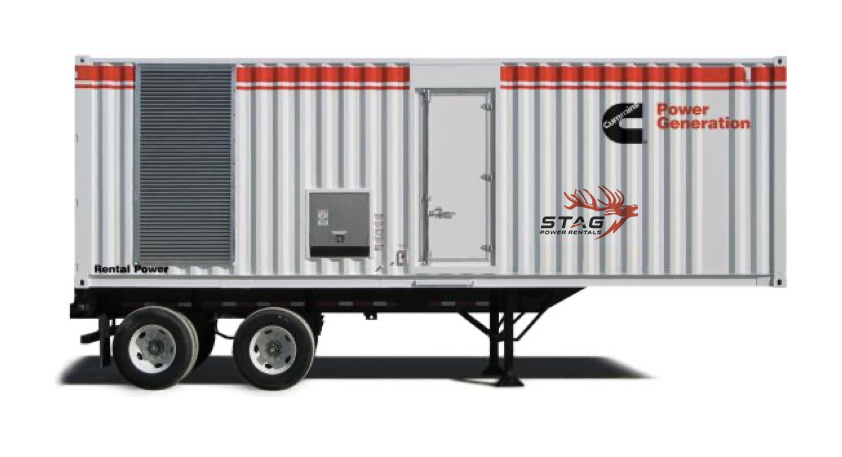
1000-1500kw
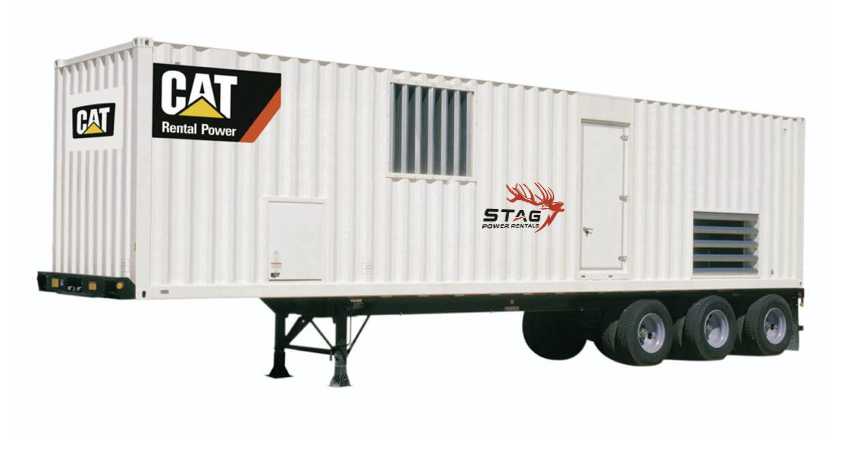
1750-2000kw

Get A Quote Now!
20kW - 2000kW Generators For Rent
"*" indicates required fields
Popular Industrial Generator Brands We Have For Rent






Temporary Power for Industrial and Commercial Operations
Houston Industrial Generator Rental Service
Stag Power Rentals provides industrial and commercial generator rentals in Houston, Texas for businesses that depend on uninterrupted power. Our diesel generator fleet ranges from 20kW to 2000kW, supporting construction projects, healthcare facilities, refineries, warehouses, and critical infrastructure across the Houston metro area.
We serve Houston and nearby business corridors including Katy, The Woodlands, Pasadena, Sugar Land, and surrounding industrial zones along I-10, Beltway 8, and Highway 225. Our local presence allows for faster delivery, reduced freight costs, and rapid response during emergency outages or storm-related disruptions.
Whether you’re planning temporary power for a job site, preparing for hurricane season, or responding to an unexpected outage, Stag Power Rentals delivers properly sized equipment, professional setup, and 24/7 technical support to keep operations running.

20kW-2000kW • Portable • Trailer • Skid • Diesel Generators
Wide Selection of Commercial Generators For Rent
Industrial Generator Rentals for Houston Facilities and Job Sites
Houston’s temporary-power needs span one of the country’s most diverse industrial and commercial economies. Refineries, chemical plants, hospitals, laboratories, data facilities, manufacturers, warehouses, construction projects, port operations, office buildings, public utilities, and emergency-response organizations may all require dependable electricity when permanent service is unavailable or interrupted. Industrial generators can support planned maintenance, facility expansions, equipment replacement, construction, utility shutdowns, hurricane preparation, and post-storm recovery. Stag Power Rentals dispatches diesel generators to Houston from Dickinson, Texas, coordinating each rental according to the electrical load, voltage, phase, operating schedule, delivery location, connection requirements, and expected runtime.Houston Industrial Diesel Generator Fleet
Stag Power Rentals offers industrial diesel generators ranging from approximately 20kW to 2,000kW. Depending on the application, equipment may be deployed as a single generator, as multiple independent units, or as part of a properly engineered paralleled system. Available generator categories may include:- Industrial Diesel Generators: Heavy-duty equipment for commercial, manufacturing, petrochemical, healthcare, construction, utility, and emergency applications.
- Towable Generators: Mobile units suited for construction sites, contractor work areas, temporary facilities, and changing project layouts.
- Sound-Attenuated Generators: Enclosed equipment for hospitals, offices, schools, hotels, events, residential-adjacent work, and other noise-sensitive locations.
- High-Capacity Generators: Larger units for refineries, processing facilities, critical infrastructure, hospitals, data operations, and substantial building loads.
How Houston Generator Capacity Should Be Selected
Generator capacity should be based on the equipment being powered rather than assigned solely by industry or building type. Two facilities of similar size may have substantially different electrical requirements. The sizing process should consider:- Running Load: The combined electricity used while connected systems operate normally.
- Starting Load: The temporary surge created when pumps, compressors, motors, refrigeration, or HVAC systems start.
- Voltage: The voltage required by the facility, machinery, or temporary distribution system.
- Phase: Whether the application requires single-phase or three-phase electricity.
- Load Sequence: Whether equipment must start simultaneously or can be energized in stages.
- Runtime: The anticipated number of operating hours per day and the total rental period.
- Redundancy: Whether the application requires reserve capacity or multiple generators to reduce dependence on one unit.
- Distribution: The cables, transformers, panels, and transfer equipment needed between the generator and the load.
General Generator Capacity Ranges
Capacity ranges can provide a starting point, but they should not replace a site-specific load review.- 20kW–100kW: Temporary offices, communications, security systems, lighting, smaller commercial loads, control equipment, and limited construction power.
- 150kW–500kW: Larger construction sites, warehouses, commercial facilities, pumps, temporary HVAC, manufacturing support, and selected building systems.
- 600kW–1000kW: Substantial manufacturing loads, healthcare facilities, refrigeration, logistics operations, large commercial properties, and industrial maintenance projects.
- 1250kW–2000kW: Refineries, chemical facilities, major infrastructure, processing operations, large campuses, and high-demand emergency applications.
Generator Rentals for Houston’s Energy and Petrochemical Sector
Houston’s economy has deep ties to energy, refining, petrochemicals, industrial services, pipeline operations, engineering, and equipment manufacturing. Temporary power may be required during plant turnarounds, facility expansions, scheduled shutdowns, electrical upgrades, and emergency recovery. Generator applications may include:- Contractor trailers and temporary offices
- Maintenance tools and work areas
- Pumps, compressors, and ventilation
- Temporary lighting
- Communications and security systems
- Testing and commissioning equipment
- Selected controls and process-support loads
- Cooling and temporary environmental systems
Temporary Power for Port Houston and Ship Channel Operations
The Houston Ship Channel supports a large network of public and private terminals, marine facilities, warehouses, cargo operations, and industrial properties. Temporary generation may be used during maintenance, construction, outages, cargo projects, or equipment replacement. Potential applications include:- Terminal and yard lighting
- Warehouse and cargo operations
- Refrigerated or temperature-sensitive storage
- Security and access-control systems
- Communications and dispatch equipment
- Pumps, compressors, and marine-support equipment
- Temporary offices and contractor areas
- Testing and commissioning projects
Industrial Generator Rentals for Houston Construction
Houston construction projects may require temporary electricity before utility service is available, while an existing service is disconnected, or when work extends beyond the practical reach of permanent panels. Generators can supply power for:- Job trailers and temporary offices
- Tools, cranes, lifts, and compressors
- Site lighting and security
- Pumps and dewatering systems
- Temporary HVAC and drying equipment
- Communications and network systems
- Building-system testing
- Commissioning before permanent service begins
Generator Support for Houston Healthcare Facilities
Houston includes hospitals, clinics, research institutions, laboratories, specialty medical facilities, and one of the world’s largest concentrations of healthcare activity. Rental generators may support approved temporary loads such as:- Medical and laboratory refrigeration
- Lighting and communications
- Computers and network equipment
- Security and access controls
- Temporary clinical or administrative spaces
- Selected HVAC and ventilation equipment
- Research-support equipment
- Contractor operations during facility work
Temporary Power for Data, Communications, and Technology Operations
Data infrastructure, network facilities, telecommunications equipment, cloud operations, and technology businesses may require temporary generation during maintenance, utility problems, cooling-system work, or emergency conditions. A rental generator may support:- Server and network equipment
- Cooling and ventilation systems
- Battery and uninterruptible-power-system support
- Communications equipment
- Security and access controls
- Monitoring and building systems
Generator Rentals for Warehouses and Logistics Facilities
Houston’s highways, rail network, airports, port facilities, and industrial corridors support a large transportation and distribution sector. A generator may support selected warehouse and logistics systems such as:- Interior and exterior lighting
- Loading docks and truck yards
- Refrigeration and cold storage
- Inventory-management systems
- Communications and dispatch equipment
- Electronic gates and access controls
- Ventilation and selected HVAC
- Temporary administrative operations
Generator Power for Houston Manufacturing
Houston manufacturers work across chemical production, machinery, fabricated metal, aerospace, medical products, energy equipment, food processing, and other specialized sectors. Temporary generation may be used during:- Production-line changes
- Electrical upgrades
- Machinery replacement
- Planned maintenance
- Utility interruptions
- Facility expansion
- Testing and commissioning
- Emergency recovery
Backup Power for Water, Wastewater, and Municipal Infrastructure
Houston’s public infrastructure includes water plants, wastewater facilities, lift stations, drainage equipment, emergency services, traffic systems, public buildings, and communications networks. Temporary generators may support:- Water and wastewater pumps
- Lift stations and bypass operations
- Drainage and flood-response equipment
- Emergency command facilities
- Traffic and roadway operations
- Public-building systems
- Communications and security
- Temporary shelters or response locations
Planning Delivery Across the Houston Metro Area
Houston’s geographic size and traffic conditions make delivery planning an important part of the rental process. A site may be located in a downtown loading area, a secured industrial facility, a medical campus, an active construction zone, or a warehouse district with heavy truck traffic. Before dispatch, provide:- The exact delivery entrance
- Approved truck routes
- Gate width and overhead clearance
- Security or credential requirements
- Delivery-hour restrictions
- Turning and unloading space
- Ground conditions and flood exposure
- Distance to the electrical connection
- Safe cable-routing paths
- Fuel-truck and technician access
Downtown and Dense Commercial-Site Considerations
Downtown Houston and other dense commercial areas can present limited loading space, underground services, parking structures, pedestrian traffic, noise restrictions, and complex cable-routing requirements. Site planning should determine:- Whether the transport vehicle can enter the property
- Where the generator can operate safely
- Whether street or loading-zone access is restricted
- How cables will reach the connection point
- Where exhaust will be directed
- Whether sound attenuation is appropriate
- How fuel deliveries will be completed
Houston Hurricane and Severe-Weather Planning
Houston businesses face risks from hurricanes, tropical storms, high winds, flooding, tornadoes, severe thunderstorms, winter weather, and extended utility failures. A generator contingency plan should identify:- The systems that must remain operational
- Required generator capacity
- Voltage and phase
- The proposed placement area
- Flood and drainage exposure
- Connection and transfer requirements
- Expected fuel consumption
- Refueling procedures
- Authorized facility contacts
- After-hours and emergency access
Flood-Safe Placement for Houston Generator Rentals
Houston’s flood risk varies substantially by neighborhood, watershed, property elevation, drainage conditions, and storm intensity. A generator placed in a low parking area or beside a drainage path may become inaccessible even when the building itself remains usable. Placement should account for:- Known flood-prone portions of the site
- Bayous, channels, detention areas, and storm drains
- Low parking lots and loading areas
- Roads that may prevent fuel or service access
- Stable support beneath the generator and tank
- Temporary cable routes
- Safe electrical connections
Post-Storm Temporary Power
After a major storm, permanent electrical repairs may take longer than debris removal, building access, or the resumption of limited operations. Generator rentals may support:- Contractor tools and repair equipment
- Temporary offices
- Water-removal and drying systems
- Lighting and security
- Refrigeration and inventory protection
- Communications and network equipment
- Selected production or commercial operations
Fuel Planning for Extended Generator Operation
Large generators operating continuously can consume substantial fuel. A complete temporary-power plan should address more than the capacity of the onboard tank. Fuel planning should consider:- Generator size
- Average electrical demand
- Daily operating hours
- Onboard fuel capacity
- External tank requirements
- Expected refueling frequency
- Facility-entry and security procedures
- Weekend and overnight access
- Potential road closures or flooding
What Determines Industrial Generator Rental Cost in Houston?
Generator rental pricing depends on the complete temporary-power arrangement rather than generator capacity alone. Cost factors may include:- Generator size
- Rental duration
- Delivery and pickup
- Site accessibility
- Fuel consumption and refueling
- External fuel tanks
- Cables, panels, transformers, and transfer equipment
- Setup complexity
- Monitoring and maintenance
- Security orientations, escorts, or restricted access
- Emergency or after-hours deployment
Why Houston Businesses Rent Instead of Buy
Generator ownership may be appropriate for a facility with a permanent and predictable backup-power requirement. Renting is often more practical for construction, turnarounds, facility maintenance, seasonal needs, temporary expansion, utility projects, and emergency response. Rental advantages include:- Equipment sized for the current application
- Lower initial capital expense
- No permanent storage requirement
- No long-term maintenance obligation
- Flexible rental periods
- Access to different generator capacities
- Delivery and support options
Houston-Area Generator Delivery Coverage
Stag Power Rentals dispatches Houston equipment from Dickinson, Texas. Depending on generator availability and project requirements, service may be coordinated across Downtown Houston, the Texas Medical Center, the Energy Corridor, East Houston, the Houston Ship Channel, and surrounding commercial and industrial districts. Nearby service areas may include:- Pasadena
- Deer Park
- La Porte
- Baytown
- Channelview
- Galena Park
- Pearland
- Friendswood
- Sugar Land
- Katy
- Cypress
- The Woodlands
Frequently Asked Questions About Houston Generator Rentals
What generator sizes are available for rent?
Stag Power Rentals offers industrial diesel generators ranging from approximately 20kW to 2,000kW. Availability depends on the requested dates and application.Can multiple generators be paralleled?
Some high-demand or redundant applications may use multiple synchronized units. The load, controls, connection method, redundancy requirements, and temporary distribution system must be engineered for that arrangement.Can a generator be rented for a refinery turnaround?
Yes. Temporary generators may support contractor offices, pumps, compressors, ventilation, lighting, tools, testing equipment, and selected facility systems during a turnaround.Can a generator support a hospital?
A properly planned rental may support approved temporary or non-permanent loads. The healthcare facility must identify regulated systems, redundancy requirements, connection procedures, and applicable compliance standards.Can generators power data and communications equipment?
Yes, but the application may require voltage control, redundancy, staged transfer procedures, cooling support, and coordination with existing uninterruptible-power and standby systems.Can generators be delivered to a secured industrial facility?
Delivery may be possible when the customer provides the correct entrance, credentials, safety requirements, approved delivery time, escort procedures, and placement location.How should a generator be positioned at a flood-prone property?
The generator, fuel tank, cables, and electrical connections should be located on stable ground above anticipated flooding whenever possible.Can an industrial diesel generator operate continuously?
Many units can support extended operation when electrical demand, fuel supply, monitoring, ventilation, and maintenance are properly managed.Are delivery, setup, fuel, and technical support included?
Delivery, setup, temporary distribution, fuel coordination, maintenance, monitoring, and technical support may be included or quoted separately depending on the equipment and rental agreement.How early should hurricane equipment be arranged?
Equipment should be arranged as early as practical. Generator inventory, transportation, fuel service, and technician availability may become limited when a storm threatens the Houston region.Request an Industrial Generator Rental in Houston
Contact Stag Power Rentals with the facility or project address, requested dates, connected-equipment list, running demand, startup load, voltage, phase, operating schedule, connection requirements, proposed placement area, and delivery instructions. Our team can evaluate the application and coordinate available generator equipment and support.Power Out Due To A Hurricane?
If a hurricane has left your business without power call us. We can guide you through the generator rental process and help restore power to your business with as little downtime as possible.
If you want to get ahead of power outage, then signup for our Hurricane Contingency Plan >
Before You Call...
Info Needed To Get Your Generator Rental Quote
- Use of Generator
- Size of Generator You Need
- Duration of Rental
- Operation Time (8hrs/day, 16hrs/day, 24/7)
- Do You Need Cables or Power Distribution?
- Site access details, including gates, delivery space, or placement limitations