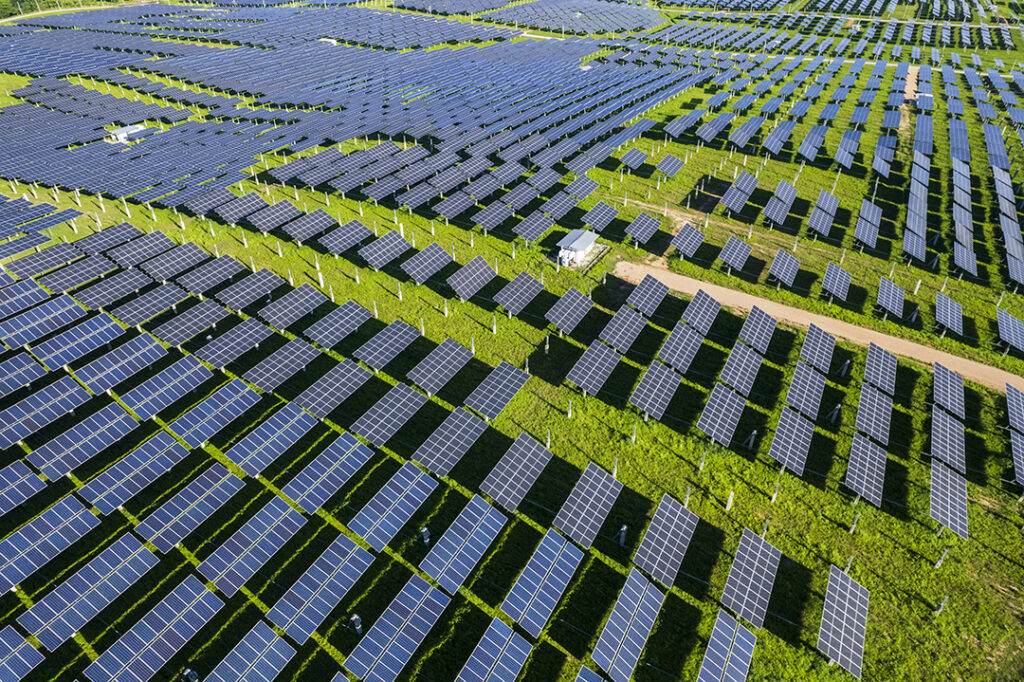
A solar farm generates nothing until the panels are wired, tested, and connected to the grid, and everything that happens before that point runs on power the site does not yet have. Contractors building or commissioning utility scale solar and substation projects across the Gulf Coast need a temporary source that can carry tools, lighting, and testing equipment long before interconnection is complete. That gap between breaking ground and going live can stretch across months, and every phase inside it still needs reliable electricity of its own.
Every Solar Project Runs on Diesel Before It Runs on Sunlight
Texas leads the country in new utility scale solar development, and the U.S. Energy Information Administration projects the state will account for roughly 40 percent of new solar capacity added nationwide this year. That kind of growth means more construction sites, substations, and interconnection projects breaking ground across the region at the same time, and every one of them needs power well before its own generation comes online.
Site prep, panel installation, inverter commissioning, and switchgear testing all require electricity from a source other than the array itself. Until utility interconnection is approved and energized, temporary generators are what keeps the crew working, the equipment running, and the schedule on track.
Where Temporary Power Fits Into a Utility Scale Build
Every phase of a solar or substation project has a different power profile. Site prep and grading crews need power for tools, pumps, and temporary offices. Panel and racking installation adds lighting and small equipment loads spread across a large physical footprint. Inverter and switchgear commissioning is the most power sensitive phase of all, since testing often depends on stable power that a partially energized system cannot yet provide.
Facilities running three-phase generator rental during commissioning avoid the voltage inconsistency that can throw off sensitive testing equipment, which matters when a single failed test can push a commissioning date back by days. Getting stable power into that phase of the project is often the difference between hitting an interconnection deadline and missing it.
What Makes These Sites Different From a Typical Jobsite
Solar and substation projects tend to sit further from existing infrastructure than most commercial construction. A utility scale array can span hundreds of acres, and a substation build often sits at the literal edge of the grid it is meant to eventually join. That distance is exactly why permanent power is not an option during construction, and why the generator has to be sized for a footprint that spreads equipment out rather than concentrating it in one building.
These sites also run on a schedule with real financial consequences attached. Interconnection agreements, permitting windows, and offtake contracts all carry dates, and a power gap that delays commissioning has a way of rippling through every one of them.
Access itself can also be a factor. Many solar and substation sites are reached by unpaved roads, seasonal access points, or land that was never built out for heavy equipment traffic. A rental partner familiar with staging generators on that kind of site, rather than one used to a paved commercial lot, tends to move faster on delivery and setup.
Fuel Logistics Matter More on a Remote Solar Site
Most solar and substation projects sit further from a fuel depot than a typical commercial jobsite, and that distance changes how a rental power plan should be built. A generator that runs dry during a critical commissioning window costs more than fuel, it costs the schedule.
Planning fuel delivery intervals around the site’s actual distance from a supply point, rather than defaulting to a standard refill schedule, keeps the generator running through extended testing windows without forcing a crew to manage an unplanned delivery mid shift. This matters even more on projects where commissioning runs longer than expected, which is common when interconnection testing surfaces an issue that needs to be resolved before energization.
Noise and Emissions Considerations Near Rural and Agricultural Land
Solar and substation sites are frequently located near agricultural land, rural residences, or areas with fewer existing industrial operations nearby than a typical commercial construction site. That changes how a generator rental should be positioned and operated on site.
Placement, enclosure choice, and run schedule all affect how much a generator’s noise and exhaust reach neighboring land. Working through those details before the unit arrives, rather than after a complaint, keeps a solar project on good terms with the community it will eventually be powering.
Sizing Power for Tools, Trailers, and Testing Equipment on an Active Site
A solar or substation construction site typically layers several load types on top of each other at once. Getting the generator size right before equipment arrives avoids the common and costly mistake of under sizing for peak construction activity:
- Power tools and small equipment used during panel and racking installation
- Site lighting and security systems that need to run around the clock
- Temporary offices and trailers used for project management and inspections
- Commissioning and testing equipment that requires stable three phase power
- Mobile welding and fabrication equipment used for structural and racking work
Working through these loads before the rental arrives keeps the generator sized correctly from day one, rather than discovering mid project that a second unit is needed.
How Stag Power Rentals Supports Solar and Utility Construction Sites
Building a project that will eventually generate its own power does not mean the site can wait on that connection to get started. Stag Power Rentals works with Gulf Coast contractors to size diesel generator rentals for each phase of a solar or utility construction project, from initial site prep through commissioning testing.
- Sizing support for site prep, installation, and commissioning loads
- Three-phase power for testing equipment that cannot tolerate voltage inconsistency
- Fuel delivery planning built around remote site distances
- Placement and enclosure guidance for sites near rural or agricultural land
A project that will eventually generate its own power still needs a dependable outside source to get there, and that gap is exactly what temporary diesel power is built to close. Request a quote to walk through your project timeline.
