Emergency & Temporary Power Rentals — Get Ready For Hurricane Season

Industrial Power Generator Rentals in Seadrift, Texas

Get reliable, high-output generator rentals tailored for construction projects, event power, or emergency backup in Seadrift and nearby Gulf Coast areas. Our fleet includes a large selection of towable or large, containerized diesel generators that will match your specific power needs. With 24/7 support and rapid delivery, we keep your operations running without delay or disruption.

Looking For A 20–2000kW Diesel Generator for Rent in Seadrift, Texas?
Whether you are planning for an outage or have an emergency situation, we’re ready 24/7 to ship a generator that will meet your power requirements.

20-80kw

90-250kw

300-800kw

1000-1500kw

1750-2000kw

Get A Quote Now!

20kW - 2000kW Generators For Rent

Popular Industrial Generator Brands We Have For Rent

multiquip generators for rent
caterpillar generators for rent
airman generators for rent
kohler generators for rent
olympian generators for rent
baldor generators for rent
cummins generators for rent
taylor generators for rent
Seadrift

Industrial Backup Power Generator Rental & Delivery

Dependable Generator Rentals in Seadrift, TX for Jobsites, Events & Emergencies

Whether you’re preparing for hurricane season, powering a construction site, or keeping your business operational during unexpected outages, renting an industrial generator in Seadrift, Texas is a smart, budget-friendly solution. At Stag Rentals, we offer dependable generator rental services customized to meet your specific power requirements—large or small.

Our rugged, high-performance generators are built to handle tough coastal conditions and keep your systems running without interruption. With flexible rental options, fast local delivery, and expert support, Stag Rentals helps you reduce downtime and stay powered—no matter the challenge.

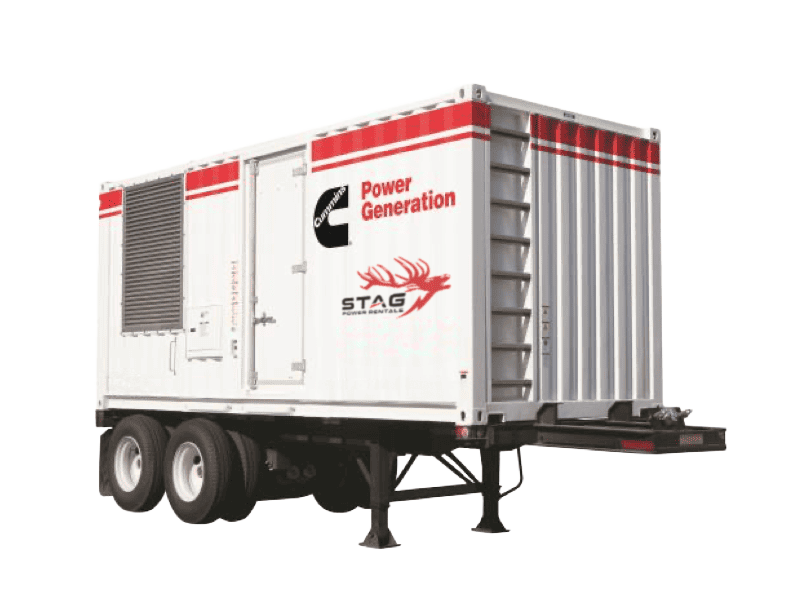
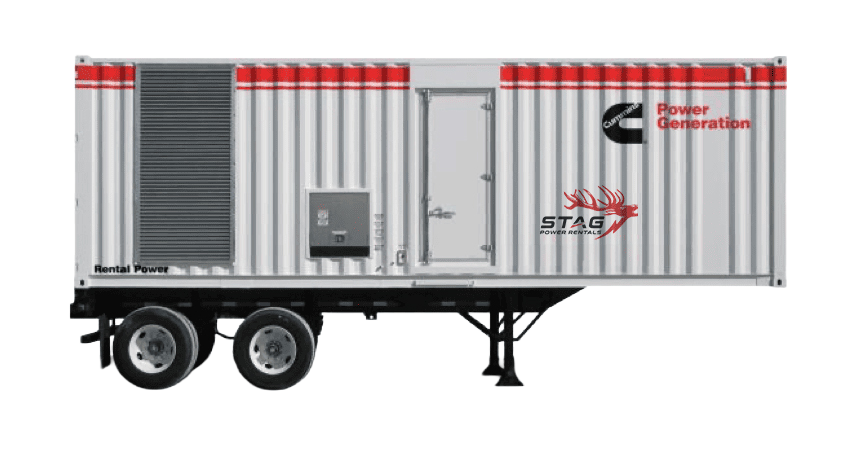
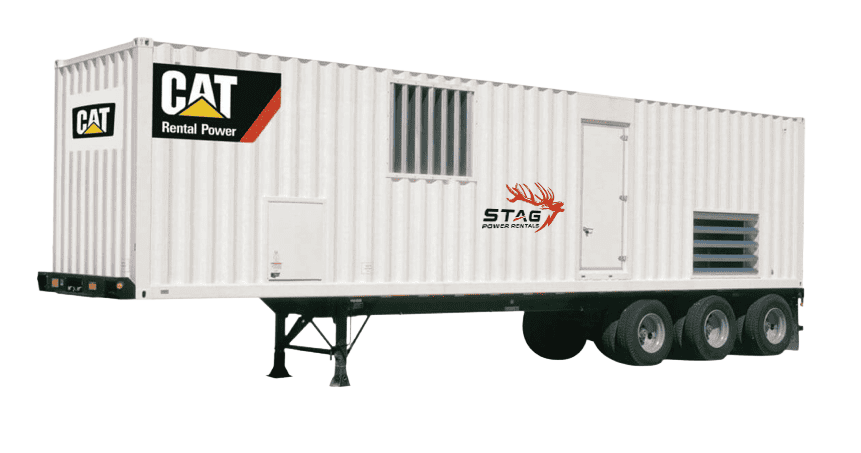
 20kW-2000kW • Portable • Trailer • Skid • Diesel Generators

Wide Selection of Commercial Generators For Rent

Industrial Generator Rentals for Seadrift Fishing, Seafood, and Waterfront Operations

Seadrift is a working fishing and shrimping community on San Antonio Bay in western Calhoun County. Its temporary-power needs differ from those of larger nearby cities because many local operations are closely tied to boats, docks, seafood handling, waterfront businesses, small commercial properties, and the municipal harbor. A generator may be needed for refrigeration, ice production, pumps, dock repairs, construction, utility work, public facilities, contractor staging, or storm recovery. Coastal weather adds further concerns involving storm surge, flooding, high winds, salt air, road access, and equipment placement. Stag Power Rentals dispatches industrial diesel generators to Seadrift from Dickinson, Texas 77539. The fleet ranges from approximately 20kW to 2,000kW, with equipment selected according to the actual electrical load, startup demand, voltage, phase, operating sequence, expected runtime, distribution requirements, access conditions, and fuel plan. Seadrift uses ZIP code 77983. Customers should provide the exact harbor entrance, dock, business address, construction gate, public-facility entrance, or rural property access point before delivery is scheduled.

A Temporary-Power Market Built Around San Antonio Bay

Seadrift’s identity is strongly connected to commercial fishing, shrimping, oystering, recreational angling, and small-boat activity. Generator applications are therefore likely to involve refrigeration, ice, pumps, marine maintenance, waterfront construction, restaurants, public infrastructure, and hurricane preparation. Common applications include:
  • Commercial fishing, shrimping, and oyster-related operations
  • Seafood refrigeration, freezers, ice machines, and packing areas
  • The municipal harbor, boat slips, docks, and marine-service work
  • Fishing lodges, guides, restaurants, and visitor businesses
  • Coastal construction and waterfront property repairs
  • Contractor trailers, tools, pumps, compressors, and lighting
  • Water, wastewater, drainage, and utility projects
  • Schools, city buildings, and emergency-response sites
  • Hurricane preparation and post-storm restoration
Renting allows a business, contractor, facility operator, or public organization to obtain equipment matched to the current application without purchasing a permanent generator that may not fit future needs.

Generator Power for Commercial Fishing Operations

Fishing businesses may require temporary electricity during utility outages, dock work, equipment repairs, planned electrical maintenance, or seasonal activity. A rental generator may support shore-side equipment such as:
  • Refrigerators and freezers
  • Ice machines and ice-storage systems
  • Bait storage
  • Pumps and washdown equipment
  • Lighting and security
  • Communications and office equipment
  • Selected packing or handling equipment
The electrical load should be calculated from the actual shore-side systems. The generator should not be sized simply according to the number of boats, pounds of seafood handled, or square footage of the building.

Refrigeration, Ice, and Seafood Handling

Seafood and bait operations can lose valuable inventory when coolers, freezers, or ice systems stop operating. However, refrigeration equipment creates more complicated electrical demand than ordinary lighting or office loads. The sizing review should include:
  • Compressor running amperage
  • Compressor startup demand
  • Condenser and evaporator fans
  • Defrost cycles
  • Ice-machine production cycles
  • Pumps and controls
  • The number of units starting together
A freezer may use moderate power once running but require much greater capacity during startup. If several compressors restart simultaneously after an outage, the temporary demand can be substantial. Customers should identify priority equipment and temperature-sensitive inventory. Powering selected cold rooms, freezers, or ice systems may require less capacity than supporting an entire seafood facility.

Temporary Power at Seadrift Municipal Harbor

The City of Seadrift operates a municipal harbor with commercial and recreational boat slips. Temporary electricity may be needed for dock repairs, harbor maintenance, marine contractors, lighting, pumps, communications, or electrical upgrades. Potential harbor applications include:
  • Dock and bulkhead construction
  • Marine tools and welding equipment
  • Pumps and compressors
  • Temporary lighting and security
  • Contractor trailers
  • Inspection and communications equipment
  • Shore-side refrigeration or ice support
Delivery and placement should be coordinated with the City, harbor representative, tenant, or authorized contractor. The generator should not obstruct boat-slip access, launch areas, working docks, trailer routes, parking, fuel access, or emergency vehicles.

Power for Fishing Lodges and Guide Operations

Seadrift supports recreational fishing, hunting, guiding, and lodging businesses serving San Antonio Bay and surrounding waters. These properties may depend on electricity for guest accommodations, food storage, water systems, lighting, communications, and security. A generator may support selected loads such as:
  • Office and reservation equipment
  • Refrigerators and freezers
  • Ice machines
  • Water pumps
  • Internet and telephone systems
  • Security lighting and cameras
  • Limited HVAC and ventilation
The operator should determine whether the objective is to maintain full guest operations or protect essential systems and inventory. That distinction can substantially change generator capacity and fuel use.

Restaurants and Small Commercial Properties

Restaurants, stores, offices, bait shops, and service businesses may require temporary power during utility interruptions, renovations, planned electrical work, or storm recovery. Priority commercial loads may include:
  • Walk-in coolers and freezers
  • Point-of-sale equipment
  • Internet and telephone systems
  • Interior and exterior lighting
  • Security cameras and access controls
  • Selected kitchen equipment
  • Ventilation and limited HVAC
Attempting to operate every appliance, air-conditioning system, and kitchen circuit may require a much larger temporary-power package than preserving refrigeration, communications, and basic business functions.

Coastal Construction and Dock Repairs

Seadrift construction projects may involve homes, docks, marine facilities, public improvements, commercial buildings, utilities, or storm-damaged properties. A rental generator may support:
  • Job trailers and temporary offices
  • Tools, lifts, compressors, and welding equipment
  • Pumps and dewatering systems
  • Temporary lighting and security
  • Drying and ventilation equipment
  • Communications systems
  • Building-system testing
  • Commissioning before utility activation
Electrical needs often increase as work progresses. A generator selected for early demolition or framing may not support larger pumps, HVAC equipment, fabrication tools, or commissioning loads introduced later.

Water, Wastewater, and Drainage Applications

Temporary generators may support municipal, commercial, or private infrastructure during equipment replacement, utility failure, bypass operations, construction, or severe weather. Applications may include:
  • Water wells and booster pumps
  • Wastewater and lift-station equipment
  • Temporary bypass pumping
  • Drainage and dewatering systems
  • Control panels and communications
  • Testing and commissioning
  • Emergency public-works operations
Pumps should be sized using voltage, phase, running amperage, startup demand, controls, and operating sequence. Motor horsepower alone is not sufficient.

Temporary Power for Seadrift School and Public Facilities

Seadrift School serves local students through the Calhoun County Independent School District. City buildings, public facilities, parks, and emergency-response locations may also need temporary electricity during construction, maintenance, utility interruptions, or severe weather. A generator may support approved loads such as:
  • Lighting and communications
  • Computers and network equipment
  • Security and access controls
  • Kitchen and refrigeration equipment
  • Temporary offices or classrooms
  • Selected HVAC and ventilation
  • Emergency-response staging
Delivery should preserve school-bus routes, public entrances, fire lanes, pedestrian paths, harbor access, and emergency-vehicle movement.

Calculating the Correct Generator Capacity

The proper generator is determined from the connected equipment rather than the general type of business. Important factors include:
  • Running Load: The combined demand while equipment operates normally.
  • Startup Demand: The temporary surge created by compressors, pumps, refrigeration, HVAC systems, and motors.
  • Voltage: The voltage required by each connected circuit or piece of equipment.
  • Phase: Whether the application requires single-phase or three-phase power.
  • Operating Sequence: Whether loads start simultaneously or can be energized in stages.
  • Runtime: The expected operating hours per day and total rental duration.
  • Distribution Distance: The distance between the generator and the load.
  • Redundancy: Whether reserve capacity or a second generator is required.
An undersized generator may overload or fail to start motor-driven equipment. A substantially oversized unit may increase rental, transportation, and fuel expense without providing a practical benefit.

Temporary Distribution and Supporting Equipment

The generator may be only one part of the rental package. Depending on the project, additional equipment may include:
  • External fuel tanks
  • Transformers
  • Manual or automatic transfer switches
  • Temporary distribution panels
  • Feeder and branch cables
  • Cable ramps and protected crossings
  • Load banks
  • Remote-monitoring equipment
  • Multiple generators for separate work areas
Cable routes should avoid docks, boat ramps, restaurant entrances, public sidewalks, school traffic, working waterfront areas, and vehicle lanes. Delivery, setup, accessories, maintenance, monitoring, fuel coordination, and technical support may be included or quoted separately depending on the rental agreement.

Generator Configurations Available for Seadrift

Available configurations may include:
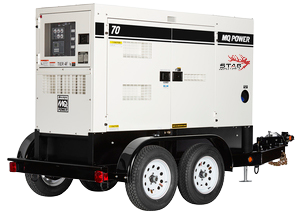
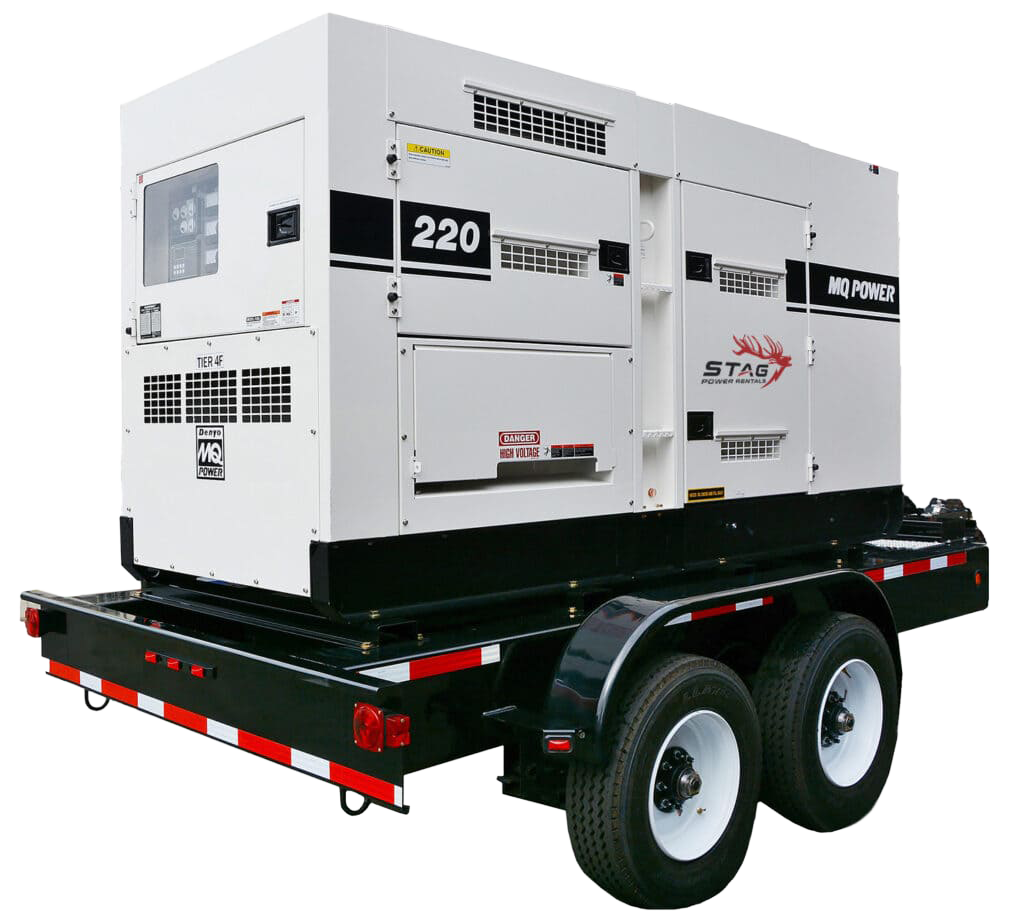
  • Towable Diesel Generators: Mobile units for docks, contractors, changing work areas, and temporary commercial applications.
  • Skid-Mounted Generators: Suitable for longer projects with a prepared placement area.
  • Sound-Attenuated Generators: Useful near restaurants, lodging, public facilities, schools, and residential properties.
  • High-Capacity Generators: Appropriate for larger refrigeration systems, pumps, infrastructure, or multiple connected loads.
The generator must fit both the electrical application and the available site. Equipment that meets the load requirement may still be unsuitable if the delivery truck cannot access or safely position it.

Planning Delivery Along State Highway 185

Seadrift is located on State Highway 185 southwest of Port Lavaca. The final delivery route may involve city streets, a harbor entrance, waterfront property, school campus, commercial loading area, county road, or construction gate. Before dispatch, provide:
  • The exact entrance and unloading location
  • The intended route from State Highway 185
  • Delivery hours and access requirements
  • Road and driveway width
  • Turning and placement space
  • Overhead-clearance restrictions
  • Ground stability and drainage conditions
  • Distance to the electrical connection
  • Fuel-truck and technician access
The generator should not block harbor roads, boat ramps, business entrances, school routes, fire lanes, drainage paths, or emergency access.

San Antonio Bay Ground and Flood Conditions

Seadrift sits directly on San Antonio Bay. Low coastal terrain, heavy rainfall, high tides, and storm surge can affect roads, harbor areas, waterfront properties, and equipment-placement sites. The proposed location should be:
  • Level and capable of supporting the generator
  • Outside tidal and active drainage areas
  • Above anticipated flood exposure whenever possible
  • Accessible to delivery and fuel vehicles
  • Clear of public and marine traffic
  • Separated from occupied buildings
Ground mats, compacted aggregate, or another prepared base may be required. A dry grass, shell, or gravel area should not automatically be assumed to remain stable after prolonged rainfall.

Salt Air, Spray, and Waterfront Placement

Generators near San Antonio Bay may be exposed to high humidity, salt air, wind-driven rain, and spray. Temporary-power planning should include:
  • Protection for connectors and distribution equipment
  • Placement away from direct spray
  • Safe exhaust direction
  • Routine visual inspection
  • Stable support beneath the generator and fuel tank
  • Continued access for maintenance and refueling
Weather-resistant equipment should not be considered suitable for submersion, wave action, or direct storm-surge exposure.

Hurricane Planning for Seadrift Operations

industrial generator rental for hurricane planning in Seadrift Texas Generator inventory, transport capacity, fuel availability, and technician access may become limited when a hurricane threatens Calhoun County. Early planning allows more time to review loads, placement, distribution, fuel, and evacuation procedures.
A contingency plan should identify:
  • The refrigeration, pumps, communications, and other loads that must operate
  • Required voltage, phase, and generator capacity
  • A placement area outside anticipated flooding
  • Temporary-distribution and transfer requirements
  • Expected fuel consumption
  • The shutdown and equipment-removal timeline
  • Authorized site contacts
  • Post-storm inspection and re-entry procedures
A generator should not be left at an exposed dock, harbor edge, or low waterfront site without a clear shutdown and retrieval plan. Businesses and facility operators can discuss advance arrangements through the Hurricane Contingency Power Plan.

Post-Storm Generator Applications

After a hurricane, coastal flood, or severe thunderstorm, temporary electricity may support:
  • Refrigeration and inventory protection
  • Water removal and dewatering
  • Dock and property repairs
  • Drying and ventilation equipment
  • Temporary offices
  • Lighting and security
  • Communications and public-service operations
Delivery depends on road safety, harbor and property access, available equipment, stable ground, site authorization, fuel access, evacuation restrictions, and regional demand. Equipment cannot be transported through floodwater.

What Affects Generator Rental Cost in Seadrift?

Rental pricing depends on the complete temporary-power arrangement. Variables may include:
  • Generator capacity and rental duration
  • Delivery and pickup
  • Harbor, dock, commercial, school, or waterfront access
  • Fuel consumption and refueling
  • External fuel tanks
  • Cables, transformers, panels, and transfer equipment
  • Ground preparation and placement complexity
  • Monitoring and maintenance
  • Emergency or restricted-access deployment
For an accurate quote, provide the Seadrift delivery location, rental dates, connected-equipment list, startup demand, voltage, phase, runtime, temporary-distribution requirements, access instructions, and proposed placement area.

Generator Delivery from Dickinson to Seadrift

Stag Power Rentals dispatches generators from Dickinson, Texas 77539. Depending on equipment availability and project requirements, rentals may also be coordinated for Port Lavaca, Point Comfort, Port O’Connor, Olivia, Magnolia Beach, Indianola, and other Calhoun County locations. Delivery timing depends on available equipment, transportation requirements, State Highway 185 conditions, harbor or property access, site readiness, weather, flooding, evacuation restrictions, and regional demand.

Frequently Asked Questions About Seadrift Generator Rentals

Can a generator support seafood refrigeration and ice production?

Yes. Capacity must account for compressor startup, fans, defrost cycles, controls, voltage, phase, and simultaneous equipment operation.

Can a generator be delivered to Seadrift Municipal Harbor?

Delivery may be coordinated after the authorized entrance, harbor contact, unloading area, traffic restrictions, and approved placement location are confirmed.

Can generators support fishing lodges or guide businesses?

Yes. Temporary power may support refrigeration, ice machines, water systems, communications, security, lighting, and selected HVAC loads.

Can a generator be placed directly beside a dock?

Only when the site is stable, approved, outside flood and tidal exposure, and clear of vessel, vehicle, and pedestrian traffic.

Are delivery, setup, fuel, and maintenance included?

Delivery, setup, accessories, fuel coordination, maintenance, monitoring, and technical support may be included or quoted separately depending on the rental agreement.

How early should hurricane equipment be arranged?

Arrange equipment as early as practical. Generator inventory, transportation, fuel service, and technician availability may become limited when a storm threatens Calhoun County.

Request an Industrial Generator Rental in Seadrift

Contact Stag Power Rentals with the exact delivery location, requested dates, voltage, phase, connected equipment, startup demand, expected runtime, temporary-distribution requirements, access instructions, and proposed placement area. Our team can review the application and coordinate available equipment and support.

Power Out Due To A Hurricane?

If a hurricane has left your business without power call us. We can guide you through the generator rental process and help restore power to your business with as little downtime as possible. 

If you want to get ahead of power outage, then signup for our Hurricane Contingency Plan >

Before You Call...

Info Needed To Get Your Generator Rental Quote

  1. Use of Generator
  2. Size of Generator You Need
  3. Duration of Rental
  4. Operation Time (8hrs/day, 16hrs/day, 24/7)
  5. Do You Need Cables or Power Distribution?
  6. Site access details, including gates, delivery space, or placement limitations