Emergency & Temporary Power Rentals — Get Ready For Hurricane Season

Industrial Power Generator Rentals in San Antonio, Texas

Power up your Lone Star projects with Stag Power Rentals’ generator rental services in San Antonio, Texas. Explore our diverse range of commercial generators tailored to meet the unique energy demands of the state. Call us for a custom quote for a 20-2000kw generator rental for your business.

Looking For A 20–2000kW Diesel Generator for Rent in San Antonio, Texas?
Whether you are planning for an outage or have an emergency situation, we’re ready 24/7 to ship a generator that will meet your power requirements.

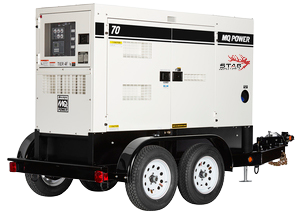
20-80kw

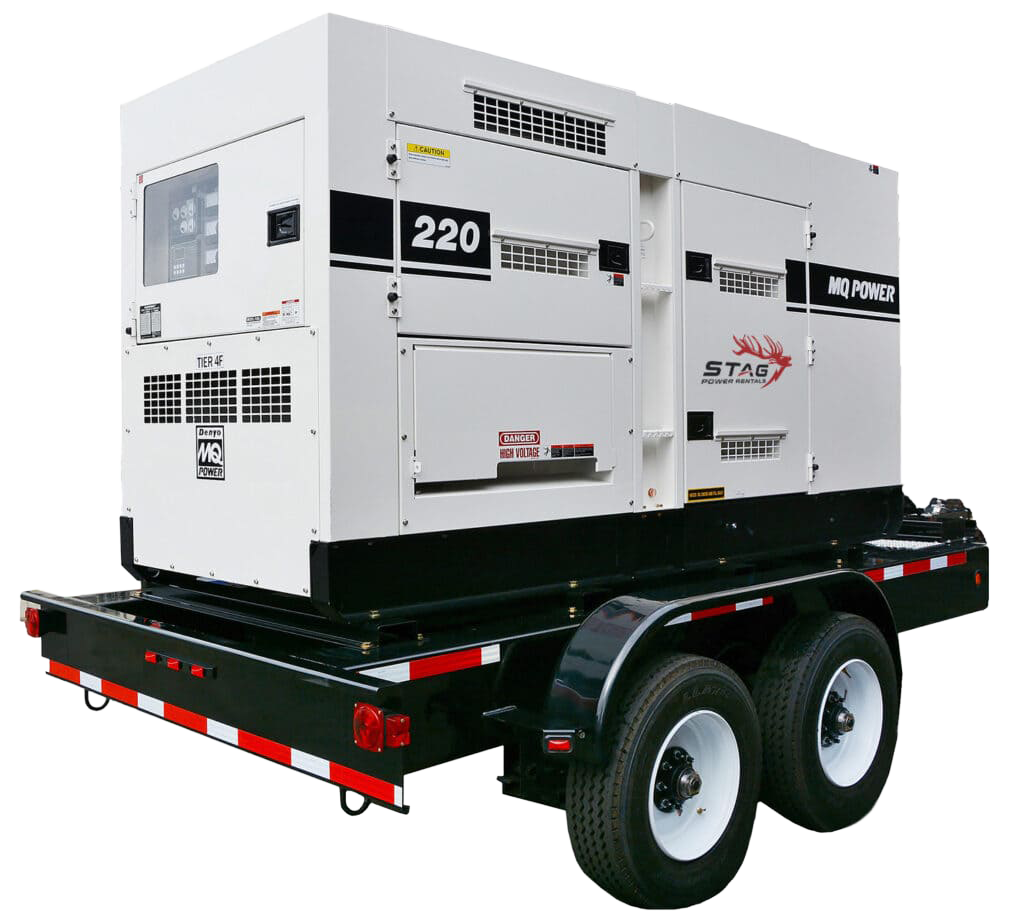
90-250kw

300-800kw

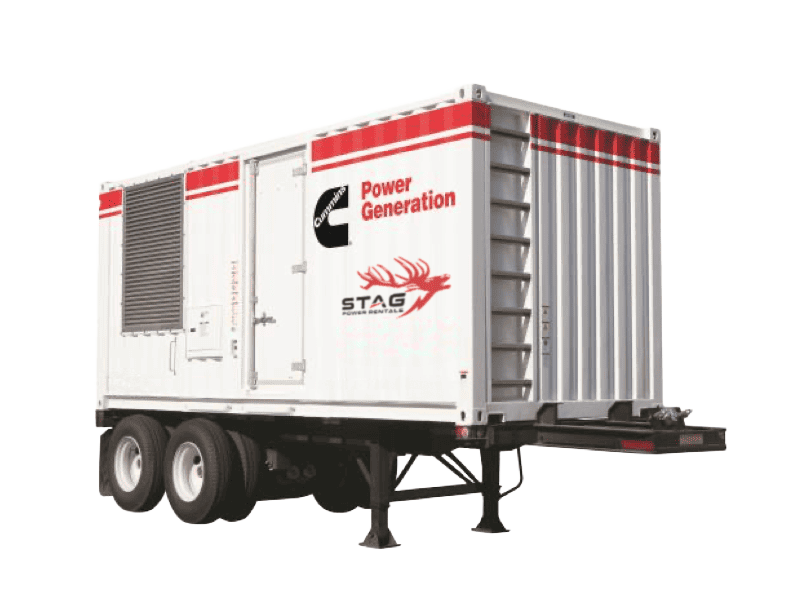
1000-1500kw

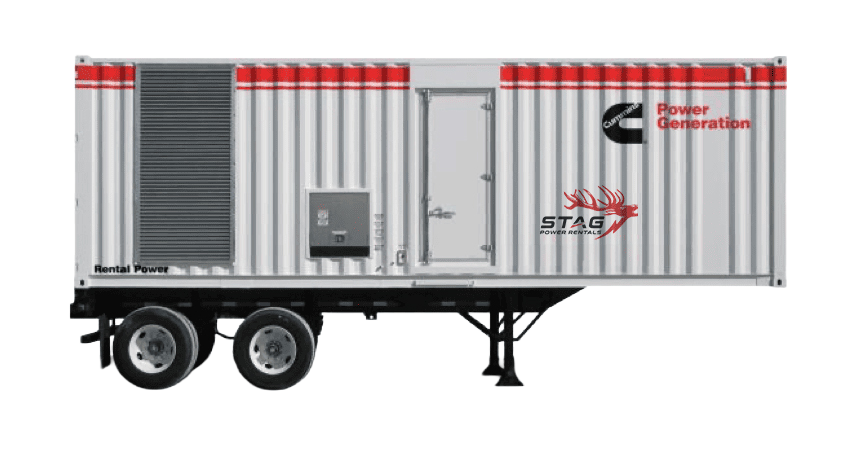
1750-2000kw

Get A Quote Now!

20kW - 2000kW Generators For Rent

Popular Industrial Generator Brands We Have For Rent

multiquip generators for rent
caterpillar generators for rent
airman generators for rent
kohler generators for rent
olympian generators for rent
baldor generators for rent
cummins generators for rent
taylor generators for rent
San Antonio Texas Emergency Generators For Rent
Keep Your Business In Power With A Commercial Generator Rental. We Can Ship Before The Storm Hits Or When Large Storms Render Your Area Powerless For Days or Weeks.

Industrial Backup Power Generator Rental & Delivery

We Rent Commercial Generators To Businesses In San Antonio, Texas

Whether you’re in Dallas, Houston, Austin, San Antonio, or anywhere else in Texas, Stag Power Rentals is your top choice for generator rental services. Discover our range of solutions and let us power your Lone Star projects. Experience excellence with Stag Power Rentals in Texas!

Delivering dependable and effective power solutions is our passion at Stag Power Rentals. We are dedicated to serving not just the prominent cities of Dallas, Houston, and Austin, but also every remote area across the expansive Texan terrain. Our broad selection of generators guarantees that whether you’re commencing a construction venture, hosting an event, or dealing with unforeseen power failures, Stag Power Rentals is your reliable partner. Count on us to support your Lone Star undertakings, offering unmatched service and the guarantee of continuous power provision. Opt for Stag Power Rentals in San Antonio, Texas and encounter the epitome of excellence in generator leasing services.

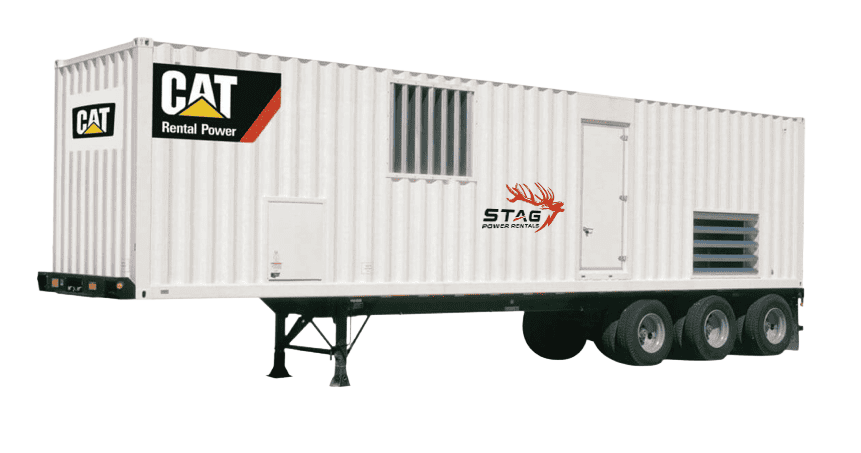
 20kW-2000kW • Portable • Trailer • Skid • Diesel Generators

Wide Selection of Commercial Generators For Rent

Industrial Generator Rentals for San Antonio Businesses, Facilities, and Job Sites

San Antonio is a major South Texas center for construction, healthcare, education, military and government activity, manufacturing, technology, hospitality, conventions, warehousing, and regional commerce. Temporary-power requirements can range from supporting a construction trailer or commercial renovation to supplying pumps, cooling equipment, laboratories, production systems, or multiple buildings during planned electrical work. Large-city deliveries also involve considerations that are less common at rural sites. Generator placement may be affected by congested roads, active campuses, loading-dock schedules, parking limitations, neighboring properties, pedestrian traffic, security procedures, and long cable routes. Stag Power Rentals dispatches industrial diesel generators to San Antonio from Dickinson, Texas 77539. Available equipment ranges from approximately 20kW to 2,000kW. Each rental is evaluated according to running load, startup demand, voltage, phase, operating sequence, expected runtime, temporary distribution, site access, placement conditions, and fuel requirements. San Antonio uses numerous postal codes; this page references central San Antonio ZIP code 78205. Customers should provide the exact building entrance, loading dock, construction gate, campus access point, equipment yard, or delivery coordinates before dispatch.

Temporary-Power Applications Across San Antonio

San Antonio’s diverse economy creates generator requirements for many different types of properties and projects. Industrial generators may support:
  • Commercial, residential, and infrastructure construction
  • Healthcare, laboratory, and medical-office operations
  • Military, government, and secured facilities
  • Manufacturing, fabrication, and industrial maintenance
  • Technology, network, and data-dependent operations
  • Universities, colleges, schools, and training facilities
  • Hotels, restaurants, convention properties, and retail centers
  • Warehouses, distribution centers, and transportation support
  • Concerts, festivals, exhibitions, and temporary productions
  • Water, wastewater, drainage, and public infrastructure
Renting allows the equipment to be matched to a particular project without requiring the customer to purchase, store, maintain, and transport a permanent generator.

Generator Rentals for San Antonio Construction Sites

Construction projects may require temporary electricity before utility service is available or while a permanent electrical system is being upgraded. A rental generator may support:
  • Job trailers and field offices
  • Tools, lifts, compressors, and welding equipment
  • Pumps and dewatering systems
  • Temporary lighting and security
  • Construction hoists and approved elevator loads
  • Temporary heating, cooling, and ventilation
  • Communications and network equipment
  • Building-system testing and commissioning
Electrical demand usually increases as construction progresses. A generator used during excavation or framing may not support later HVAC systems, elevators, pumps, fabrication equipment, or commissioning loads. The temporary-power plan should be reviewed as the project moves through major construction phases.

Downtown Construction and Restricted Urban Access

Downtown San Antonio projects may involve narrow streets, pedestrian traffic, limited curb space, loading restrictions, hotels, restaurants, public attractions, and neighboring construction. Before delivery, confirm:
  • The approved truck entrance
  • Delivery-hour restrictions
  • Street, curb, or lane-use requirements
  • Turning and unloading space
  • Generator and external fuel-tank placement
  • Pedestrian-safe cable routes
  • Fire-lane and building-access requirements
  • Overhead and underground utility conflicts
A generator that fits the electrical load may still be unsuitable if the delivery vehicle cannot reach the proposed location or the site lacks space for cables, exhaust clearance, and fuel service.

Temporary Power for Healthcare and Medical Facilities

Hospitals, clinics, laboratories, pharmacies, medical offices, rehabilitation facilities, and senior-care properties may require temporary electricity during construction, electrical maintenance, equipment replacement, or utility interruptions. A rental generator may support approved loads such as:
  • Medical and medication refrigeration
  • Laboratory equipment
  • Lighting and communications
  • Computers and network systems
  • Security and electronic access
  • Selected HVAC and ventilation
  • Temporary clinical or administrative areas
Temporary rental equipment should not automatically be treated as a replacement for a facility’s permanent emergency-power system or regulatory obligations. Facility representatives should identify critical circuits, transfer requirements, redundancy expectations, allowable interruption time, and approved connection procedures before equipment is selected.

Cooling and Ventilation Requirements

San Antonio’s high summer temperatures can make cooling one of the largest temporary loads at a healthcare, commercial, data, hospitality, or educational property. The sizing review should include:
  • Compressor or chiller startup demand
  • Air-handler and fan motors
  • Cooling-tower or condenser equipment
  • Pumps and building controls
  • The number of systems starting together
  • Whether cooling can be limited to priority areas
Supporting a laboratory, pharmacy, equipment room, server room, or selected occupied floor may require substantially less capacity than cooling an entire facility.

Military, Government, and Secured-Site Applications

San Antonio contains military, federal, state, municipal, and other secured properties. Temporary generators may support construction, maintenance, training, renovations, testing, communications, or approved continuity operations. Potential loads include:
  • Contractor trailers and temporary offices
  • Communications and network equipment
  • Lighting and security
  • Tools, pumps, and compressors
  • Temporary HVAC and ventilation
  • Testing and commissioning equipment
  • Selected facility-support systems
These sites may require advance appointments, identification, vehicle inspection, escorts, safety orientation, approved truck routes, and restricted delivery windows. The customer should confirm all access and security procedures before dispatch. Generator placement must also comply with facility-specific safety and operational requirements.

Manufacturing and Industrial Maintenance

Manufacturing, fabrication, repair, food production, warehouse, and industrial properties may need temporary power during expansions, utility shutdowns, equipment replacement, production changes, or maintenance. A generator may support:
  • Pumps and compressors
  • Maintenance tools and welding equipment
  • Temporary production support
  • Controls and instrumentation
  • Warehouse lighting and security
  • Temporary ventilation
  • Communications and office systems
  • Testing and commissioning
The facility should identify which systems must remain active and which can remain offline. Separating priority loads from the full production system can reduce generator capacity, temporary-distribution requirements, and fuel consumption.

Data, Technology, and Network Operations

Technology companies, communications providers, data-dependent offices, network facilities, and research operations may require temporary generation during electrical work, equipment replacement, utility interruptions, or construction. A generator may support approved systems such as:
  • Servers and network equipment
  • Equipment-room cooling
  • Communications infrastructure
  • Security and access controls
  • Office and operational equipment
  • Temporary testing environments
These applications may involve power-quality requirements, uninterruptible power supplies, transfer procedures, redundant systems, and cooling loads. A rental generator should not be assumed to replace a permanent standby system, battery system, or data-center redundancy design. The facility’s electrical and information-technology teams should define the approved connection plan.

Universities, Colleges, and Schools

Educational facilities may require temporary electricity for construction, renovations, electrical upgrades, kitchens, laboratories, residence halls, athletic properties, and approved emergency operations. Potential loads include:
  • Lighting and communications
  • Computers and network equipment
  • Laboratory equipment
  • Kitchen and refrigeration systems
  • Security and electronic access
  • Temporary classrooms and offices
  • Selected HVAC and ventilation
  • Construction and maintenance equipment
Campus deliveries may require parking authorization, facilities approval, safety orientation, escort procedures, and coordination around classes, buses, pedestrian routes, events, and emergency access.

Hotels, Conventions, and Hospitality Properties

San Antonio’s hotels, convention properties, meeting venues, restaurants, and visitor-serving businesses may depend on electricity for refrigeration, reservations, communications, security, water systems, lighting, and guest services. A generator may support selected loads such as:
  • Front-desk and reservation equipment
  • Internet and telephone systems
  • Refrigerators, freezers, and ice machines
  • Security cameras and electronic access
  • Emergency and common-area lighting
  • Water and wastewater pumps
  • Selected kitchen equipment
  • Limited guest-room HVAC
The operator should decide whether temporary generation is intended to maintain full guest operations or preserve essential services. Powering every guest room, kitchen appliance, elevator, ballroom, and air-conditioning system can require a substantially larger temporary-power package.

Generator Power for Conventions and Exhibitions

Convention, exhibition, and meeting applications may require temporary electricity for:
  • Exhibit booths and displays
  • Lighting, sound, and video systems
  • Broadcast and production equipment
  • Food service and refrigeration
  • Registration and ticketing
  • Communications and temporary offices
  • Outdoor extensions and temporary structures
Large events may require multiple generators so production, vendors, refrigeration, and critical support systems remain electrically separated. Cable routes should be planned around crowds, doors, accessible paths, loading areas, temporary structures, and emergency exits.

Retail Centers and Commercial Buildings

Shopping centers, office buildings, restaurants, grocery properties, and mixed-use developments may need temporary power during outages, renovations, utility work, or equipment upgrades. Priority loads may include:
  • Refrigeration and freezers
  • Point-of-sale systems
  • Internet and telephone service
  • Security and access controls
  • Interior and exterior lighting
  • Water and wastewater pumps
  • Selected HVAC and ventilation
Separating critical circuits from full-building demand can reduce the generator size and temporary-distribution system.

Warehouses, Distribution Centers, and Transportation Support

Warehouses, logistics properties, fleet operations, and distribution facilities may require temporary electricity for planned maintenance, construction, utility interruptions, or equipment replacement. A generator may support:
  • Warehouse and yard lighting
  • Security systems
  • Communications and network equipment
  • Loading-area equipment
  • Refrigerated or temperature-controlled storage
  • Battery-charging or selected material-handling systems
  • Temporary offices and dispatch operations
The facility should identify which loading, refrigeration, communications, and safety functions must remain available and which operations can be paused.

Water, Wastewater, and Pumping Applications

Temporary generators may support municipal, commercial, construction, and private infrastructure during maintenance, equipment failure, bypass operations, or severe weather. Applications may include:
  • Water wells and booster pumps
  • Wastewater and lift-station equipment
  • Temporary bypass pumping
  • Stormwater and drainage systems
  • Dewatering equipment
  • Control panels and communications
  • Testing and commissioning
Pump sizing should include motor horsepower, voltage, phase, running amperage, startup demand, starting method, controls, and operating sequence. Motor horsepower alone is not enough to determine generator capacity.

How Generator Capacity Is Determined

Stag Power Rentals offers industrial diesel generators from approximately 20kW to 2,000kW. The correct size should be calculated from the connected equipment rather than assigned from a general industry table. Important factors include:
  • Running Load: The combined demand while connected equipment operates normally.
  • Startup Demand: The temporary surge created by HVAC systems, pumps, compressors, refrigeration, elevators, and motors.
  • Voltage: The voltage required by the equipment or temporary distribution system.
  • Phase: Whether the application requires single-phase or three-phase electricity.
  • Operating Sequence: Whether loads start simultaneously or can be energized in stages.
  • Runtime: The expected operating hours per day and total rental duration.
  • Distribution Distance: The distance between the generator and connected equipment.
  • Redundancy: Whether reserve capacity or multiple generators are required.
An undersized generator may overload or fail to start motor-driven equipment. A substantially oversized unit may increase rental, transportation, and fuel expense without providing a practical advantage.

Is a 1,000kW Generator Appropriate?

A 1,000kW diesel generator may be appropriate for certain large industrial, healthcare-support, cooling, infrastructure, manufacturing, convention, or multi-building applications. The requested capacity should still be confirmed by reviewing:
  • Actual connected load
  • Motor and compressor startup demand
  • Voltage and phase
  • Load sequencing
  • Temporary-distribution requirements
  • Expected average load
  • Fuel consumption
  • Required redundancy
Requesting a specific generator size without a load review can result in insufficient capacity or unnecessary rental and fuel costs.

Temporary Distribution and Supporting Equipment

A complete temporary-power package may require:
  • External fuel tanks
  • Manual or automatic transfer switches
  • Transformers
  • Temporary distribution panels
  • Feeder and branch cables
  • Cable ramps and protected crossings
  • Load banks
  • Remote-monitoring equipment
  • Multiple generators for separate buildings or work areas
Delivery, setup, accessories, maintenance, monitoring, fuel coordination, technical support, and 24-hour assistance may be included or quoted separately depending on the rental agreement.

Generator Configurations Available for San Antonio

Available equipment may include:
  • Towable Diesel Generators: Mobile units for construction, commercial properties, events, and changing work areas.
  • Skid-Mounted Generators: Suitable for longer industrial, healthcare, campus, or infrastructure projects with prepared placement areas.
  • Sound-Attenuated Generators: Useful near hotels, schools, hospitals, offices, residences, and event venues.
  • High-Capacity Generators: Appropriate for major facilities, industrial loads, cooling systems, pumps, conventions, and multiple connected buildings.
The selected generator must fit both the electrical requirement and the physical site.

Planning Generator Delivery in San Antonio

San Antonio deliveries may involve downtown streets, construction corridors, hospital campuses, military gates, industrial parks, schools, convention properties, hotels, or suburban commercial centers. Before dispatch, provide:
  • The exact address and approved entrance
  • The requested delivery window
  • Security and credential requirements
  • Loading-dock or construction-gate instructions
  • Street, lane, or parking restrictions
  • Turning and unloading space
  • Overhead and underground utility conflicts
  • Distance to the electrical connection
  • Fuel-truck and technician access
The generator should not block fire lanes, hospital entrances, school routes, sidewalks, hotel access, loading docks, event exits, or emergency vehicles.

Noise, Exhaust, and Neighboring Properties

Urban and suburban generator placements may be near residences, hotels, offices, schools, healthcare facilities, restaurants, and public areas. Planning should consider:
  • Distance from windows and outside-air intakes
  • Safe exhaust direction
  • Noise-sensitive operating hours
  • Pedestrian and vehicle routes
  • Temporary cable crossings
  • Access for maintenance and fuel service
Sound-attenuated equipment can reduce noise, but placement and operating procedures remain important.

Extreme Heat, Flooding, Thunderstorms, and Winter Weather

San Antonio is inland from the immediate Gulf Coast, but tropical systems, severe thunderstorms, extreme heat, flash flooding, ice, and freezing weather can still affect utilities, roads, facilities, and regional generator demand. A severe-weather plan should consider:
  • Heat-related cooling demand
  • Flood-prone streets and low-water crossings
  • Icy bridges, ramps, and elevated roads
  • Stable support beneath the generator and fuel tank
  • Protected temporary cables
  • Continued access for refueling and maintenance
  • An alternate route if the primary entrance becomes inaccessible
Generator availability, transportation capacity, fuel service, and technician access may become constrained during widespread regional events.
industrial generator rental for severe weather planning in San Antonio Texas Early contingency planning provides more time to evaluate electrical loads, connection requirements, access, placement, and fuel needs before regional demand increases.
Businesses and facility operators can discuss advance planning through the Hurricane Contingency Power Plan. Although San Antonio is inland, the same planning process may be useful for tropical systems, extreme heat, thunderstorms, flooding, and winter weather.

How Long Should a Generator Be Rented?

Rental duration depends on the application.
  • Construction: Several weeks or months as work progresses.
  • Planned Shutdown: A defined maintenance or electrical-work period.
  • Convention or Event: Delivery, setup, production, event, and removal days.
  • Equipment Replacement: Until the permanent system is repaired or commissioned.
  • Emergency Outage: Until utility power and facility systems are safely restored.
Longer rentals may require scheduled maintenance, inspections, fuel deliveries, and changes to the temporary-power arrangement as connected loads evolve.

Renting Versus Retaining Generator Equipment

Renting as needed may be suitable for construction, renovations, events, planned shutdowns, or occasional outages. A contingency or retained arrangement may be considered when a facility wants equipment planning completed before a regional emergency, but availability, reservation terms, storage, mobilization, and maintenance responsibilities should be defined in the agreement. Neither approach automatically guarantees immediate availability or uninterrupted operations. The appropriate option depends on the facility’s risk tolerance, operating requirements, budget, and advance planning.

What Determines Generator Rental Cost in San Antonio?

Rental pricing depends on the complete temporary-power arrangement rather than generator size alone. Variables may include:
  • Generator capacity and rental duration
  • Delivery and pickup
  • Downtown, healthcare, military, campus, event, or construction access
  • Fuel consumption and refueling
  • External fuel tanks
  • Cables, transformers, panels, and transfer equipment
  • Security, escorts, and restricted delivery windows
  • Traffic control or placement complexity
  • Monitoring and maintenance
  • Emergency or after-hours deployment
For an accurate quote, provide the exact location, requested dates, connected-equipment list, startup demand, voltage, phase, expected runtime, temporary-distribution requirements, access restrictions, and proposed placement area.

Generator Delivery from Dickinson to San Antonio

Stag Power Rentals dispatches generators from Dickinson, Texas 77539 to San Antonio and surrounding communities such as Schertz, Live Oak, Converse, Helotes, Boerne, Seguin, and New Braunfels, depending on equipment availability and project requirements. Delivery timing depends on available inventory, equipment size, transportation requirements, traffic, property access, security procedures, weather, road conditions, site readiness, and regional demand.

Frequently Asked Questions About San Antonio Generator Rentals

Can a generator support a hospital or medical property?

A rental generator may support approved medical refrigeration, lighting, communications, laboratory, security, and selected HVAC loads. The facility must determine regulatory, transfer, and redundancy requirements.

Can generators be used at military or secured facilities?

Yes, when the customer coordinates access, inspections, escorts, approved truck routes, placement, and safety requirements.

Can a generator support a data or technology operation?

Yes. The facility should identify server, network, cooling, transfer, power-quality, and redundancy requirements before equipment is selected.

Can generators support conventions and major events?

Yes. Large productions may require multiple generators, temporary panels, protected cable crossings, separate critical systems, and coordinated fuel service.

Can a generator support commercial HVAC?

Yes. Capacity must account for compressor, chiller, fan, and pump startup demand and the number of systems operating simultaneously.

Are delivery, setup, fuel, and maintenance included?

Delivery, setup, accessories, fuel coordination, maintenance, monitoring, technical support, and 24-hour assistance may be included or quoted separately depending on the rental agreement.

How early should emergency equipment be arranged?

Arrange equipment as early as practical. Generator inventory, transport capacity, fuel service, and technician availability may become limited during widespread South Texas weather events or high regional demand.

Request an Industrial Generator Rental in San Antonio

Contact Stag Power Rentals with the exact delivery location, requested dates, voltage, phase, connected equipment, startup demand, expected runtime, temporary-distribution requirements, access procedures, and proposed placement area. Our team can review the application and coordinate available generator equipment and support.

Power Out Due To A Hurricane?

If a hurricane has left your business without power call us. We can guide you through the generator rental process and help restore power to your business with as little downtime as possible. 

If you want to get ahead of power outage, then signup for our Hurricane Contingency Plan >

Before You Call...

Info Needed To Get Your Generator Rental Quote

  1. Use of Generator
  2. Size of Generator You Need
  3. Duration of Rental
  4. Operation Time (8hrs/day, 16hrs/day, 24/7)
  5. Do You Need Cables or Power Distribution?
  6. Site access details, including gates, delivery space, or placement limitations